
Driving Directions and Google Map of Slovenia — Speed Limits, E-Vignette, Lake Bled, Karavanke Tunnel & Complete Driving Guide
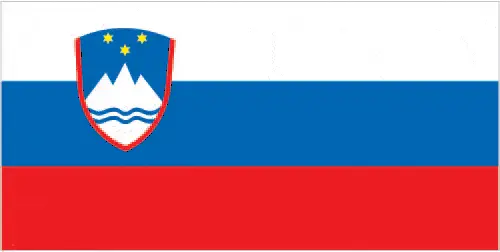 Slovenia — Key Facts Slovenia — Key Facts |
|
|---|---|
| Capital | Ljubljana |
| Largest City | Ljubljana |
| Driving Side | RIGHT |
| Vehicle Position | Left-Hand Drive (LHD) |
| Speed Motorway | 130 km/h |
| Speed Expressway | 110 km/h |
| Speed National | 90 km/h |
| Speed Urban | 50 km/h |
| BAC Limit | 0.05% (0.00% under 24 & professional) |
| Emergency Police | 113 |
| Emergency General | 112 |
| Tolls | YES — e-vignette (evinjeta.si); Karavanke Tunnel separate |
| Currency | Euro (€) |
| Winter Tyres | Mandatory 15 Nov–15 Mar (no studs) |
| Schengen | YES — open borders |
| DARS Roadside | 1987 (AMZS assistance) |
Slovenia is a remarkable European destination that combines Alpine majesty with Mediterranean charm, medieval heritage with modern infrastructure, and a sophisticated motorway network with pristine mountain scenery. Located in the strategic heart of Central Europe, this small nation of just 20,273 square kilometres punches far above its weight in terms of driving appeal and natural beauty. Whether you are transiting through Europe via the famous Karavanke Tunnel to Austria, embarking on a road trip to explore Lake Bled’s stunning island church, or discovering the turquoise waters of the Soča River in one of Europe’s most remote valleys, Slovenia offers drivers an extraordinary combination of excellent roads, manageable distances, and unforgettable scenery.
As a member of both the European Union and the Schengen Area since 2004 and 2007 respectively, Slovenia seamlessly integrates into the broader European transportation network. The country adopted the Euro as its official currency in 2007, eliminating exchange rate concerns for visitors from the broader Eurozone. For drivers, this translates into straightforward border crossings with Austria, Italy, Hungary, and Croatia, with open Schengen borders meaning no passport controls or customs inspections—just continuous driving from one country to another. However, Slovenia maintains strict traffic law enforcement and unique toll requirements that all drivers must understand and respect. The mandatory electronic vignette system (e-vignette, purchased at evinjeta.si) is non-negotiable for motorway access, and the separate toll for the Karavanke Tunnel adds another cost consideration for those heading toward Austria. Additionally, winter tyre requirements, mandatory year-round headlights, strict speed enforcement, and a zero-tolerance alcohol policy for drivers under 24 years old create a framework of regulations that demands driver attention and compliance.
This comprehensive driving guide equips you with all the essential information needed to navigate Slovenia confidently and safely. From understanding the nuances of purchasing and registering your e-vignette to mastering Alpine winter driving conditions, from exploring the country’s exceptional scenic routes to respecting its traffic laws and paying its tolls, this guide covers every aspect of driving in Slovenia. With approximately 38,985 kilometres of roads—including roughly 600 kilometres of motorways and 900 kilometres of expressways—Slovenia’s road network is modern, well-maintained, and clearly signposted. The DARS (Družba za avtocestne koncesije), the state-owned operator of Slovenia’s motorway system, maintains these routes to European standards, ensuring safe and efficient travel for the millions of vehicles that traverse Slovenian territory annually, both for tourism and transit.
This Slovenia Google Map provides an interactive overview of Slovenia’s motorway network, border crossings, and scenic driving routes.
Use the interactive map above to explore Slovenia’s road network, Alpine passes, and main destinations.
Road Network and Infrastructure
Slovenia operates a modern, well-maintained road network that serves as a crucial transportation corridor for Central Europe while providing excellent connectivity for internal Slovenian travel. The total road network comprises approximately 38,985 kilometres of roads, with the motorway and expressway network forming the backbone. This backbone consists of roughly 600 kilometres of motorways (avtoceste) and 900 kilometres of expressways (hitre ceste), supplemented by an extensive network of national and regional roads that ensure access to even the most remote areas of this geographically diverse country.
The DARS (Družba za avtocestne koncesije, or Motorway Concession Company) operates and maintains Slovenia’s motorway and expressway network under a modern management structure that emphasizes safety, efficiency, and sustainability. DARS manages toll collection, traffic flow, emergency response, weather monitoring, and road maintenance operations. The company operates real-time traffic monitoring systems accessible through the promet.si website and mobile applications, providing drivers with up-to-the-minute information on congestion, accidents, weather conditions, and road closures. This information system is essential for planning journeys, particularly during winter months or peak travel seasons.
The A1 motorway represents Slovenia’s most important east-west transportation corridor, spanning approximately 219 kilometres from the Austrian border near Šentilj (in the northeast) through Ljubljana to Koper on the Adriatic coast. This motorway serves as the primary conduit for international transit traffic between Central Europe and the Mediterranean, as well as a crucial link for Slovenia’s domestic traffic. The A1 includes several engineering challenges, including the Kastelec Tunnel (6.7 kilometres), the Dekani Tunnel, and multiple viaducts traversing the Karst plateau region south of Ljubljana. The A1’s importance to European commerce cannot be overstated—approximately 9 million vehicles annually traverse this route, making it one of the continent’s busiest north-south corridors.
The A2 motorway forms Slovenia’s primary north-south axis, connecting Ljubljana with the Karavanke Tunnel (the 7.86-kilometre crossing under the Alps leading directly to Austria) and extending south toward the Croatian border at Obrežje, where it connects to Croatia’s A3 motorway linking Zagreb, Belgrade, and southeastern Europe. The Karavanke Tunnel is an engineering marvel and one of the longest road tunnels in the Alps, carrying approximately 9 million vehicles annually between Austria and Slovenia. The tunnel approach requires careful driving, particularly during winter months when Alpine weather can create treacherous conditions. The A2 also carries significant transit traffic, particularly articulated trucks heading between Western Europe and the Balkans, making it one of Europe’s most congested corridors during peak periods.
Secondary motorways include the A3 (Štajerska avtocesta), which connects Ljubljana northeastward to Maribor and the Austrian border near Šentilj; the A4, which branches eastward toward the Hungarian border at Dolga Vas; and the A5 (Pomurska avtocesta) in northeastern Slovenia, serving the Hungarian border region. These secondary routes are typically less congested than the A1 and A2 but carry substantial commercial traffic, particularly during business hours.
Beyond the motorway system, Slovenia’s national and regional roads offer exceptional driving experiences, particularly in Alpine and coastal regions. The road quality throughout Slovenia is excellent by European standards, with smooth asphalt surfaces, clear markings, and modern signage. European route designations E57, E61, and E59 traverse Slovenian territory, providing international routing standards and connectivity to broader European networks. Roads are maintained year-round, with prompt snow and ice removal during winter months ensuring that even challenging Alpine routes remain passable under normal winter conditions.
Ljubljana’s orbital motorway system (formed by sections of the A1 and A2) effectively channels through-traffic around the capital, preventing congestion in the city centre and connecting all four major intercity motorway directions. This ring road is critical for traffic management and represents the busiest section of motorway in Slovenia.
Speed Limits
Slovenia enforces standardized speed limits that are clearly marked throughout the country and strictly enforced through a combination of visible police patrols, fixed automated cameras, and mobile speed enforcement units. Understanding these limits and respecting them is absolutely essential—speeding is one of the most actively enforced traffic violations in Slovenia, and penalties are substantial.
| Road Type | Speed Limit (km/h) |
|---|---|
| Motorway (Avtocesta) | 130 |
| Expressway (Hitra Cesta) | 110 |
| National Road (Magistralna Cesta) | 90 |
| Urban Area (Mest Area) | 50 |
| School Zone | 30 |
Motorways carry the highest speed limit of 130 kilometres per hour under normal conditions, though this limit is automatically reduced to 110 km/h during wet weather and further reduced to 80 km/h when fog reduces visibility below 50 metres. Variable message signs display these reductions, and drivers must comply immediately. Expressways are limited to 110 km/h, while national roads restrict traffic to 90 km/h. Urban areas typically enforce a 50 km/h limit, with school zones and pedestrian areas restricted to 30 km/h during designated hours. These limits apply uniformly to all vehicle categories unless specifically altered by signage.
Speed enforcement in Slovenia is pervasive and sophisticated. Fixed automated speed cameras are positioned throughout the motorway network and on heavily-trafficked regional roads. Mobile speed enforcement units operate regularly, particularly on weekends and during peak travel periods. Average-speed systems (section control) operate on portions of the A1 motorway near Ljubljana, measuring average speed over defined sections rather than instantaneous speed at a single point. These systems are particularly effective at reducing speeds through congested or hazardous areas. Speeding fines are calculated based on the degree of violation: minor infractions (1-10 km/h over limit) typically result in fines starting at approximately €40, while more serious violations (exceeding the limit by 30 km/h or more) can exceed €300 and may result in licence suspension. Driving significantly over the limit (more than 30 km/h above posted speeds) constitutes a criminal traffic offence and may result in immediate licence confiscation by police.
For foreign drivers, speed camera notices and fines are posted to the registered address of the vehicle’s owner, and non-payment can trigger enforcement action through EU cross-border enforcement mechanisms, potentially affecting future travel. Fines should be paid promptly to avoid complications.
e-Vignette and Toll Roads
The electronic vignette (e-vignette or e-vinjeta) is mandatory for all vehicles with a maximum permissible weight of up to 3.5 tonnes using any of Slovenia’s motorways or expressways. This requirement is absolute and non-negotiable—driving on a motorway without a valid, registered vignette is a serious traffic violation subject to substantial fines and potential vehicle impoundment. The vignette system is fully electronic, with no physical sticker required as of 2022. Instead, the vignette is registered directly to your vehicle’s licence plate number in the DARS central database, with compliance checked by automatic number plate recognition (ANPR) cameras at motorway entry and exit points.
The e-vignette is available in three validity periods designed to accommodate different travel patterns. A 7-day vignette costs €15 and is ideal for short visits or week-long road trips. A 30-day vignette costs €35 and suits longer stays or business travellers visiting monthly. An annual vignette costs €115 for year-round motorway access without repeat purchases. These prices are current as of 2026 but are subject to annual adjustment; drivers should verify current rates on the official evinjeta.si website before travelling. Vignette prices apply to passenger vehicles up to 3.5 tonnes; larger vehicles and commercial vehicles over 3.5 tonnes follow different toll structures based on vehicle weight and axle configuration.
Purchasing the e-vignette online at evinjeta.si is the most convenient and recommended approach. The official website offers English-language support and accepts all major credit and debit cards. To purchase online, you will need your vehicle’s registration number (licence plate), country of registration, and a valid payment method. The vignette becomes immediately active upon successful transaction confirmation and is valid for the specified period from the purchase date or a future date you select (up to 30 days in advance). This advance purchase capability allows you to activate your vignette at precisely the moment you will need it, minimizing waste if you have flexible travel dates.
If you arrive at Slovenia’s borders without a pre-purchased vignette, you can purchase one at service stations near border crossings and at any petrol station throughout the country. Most major petrol stations operate extended hours specifically to serve arriving motorists needing vignette registration. However, purchasing at the border may entail slight delays and potential language barriers, making advance online purchase strongly advisable.
Compliance with the vignette requirement is strictly enforced. Automated ANPR cameras monitor motorway entry and exit points, photographing every vehicle and cross-referencing the licence plate with the DARS vignette database. Vehicles without valid, registered vignettes are flagged for follow-up enforcement action. Police conduct regular compliance checks at motorway service areas and toll booths. Driving without a valid vignette incurs a fine of €300 for first-time violations, rising to €800 for repeated offences or aggravated circumstances. In addition to monetary penalties, drivers without valid vignettes may be stopped and detained pending payment or immediate vignette purchase. The system is strictly enforced with zero tolerance—the Slovenian authorities treat vignette evasion as a serious traffic offence rather than a mere administrative oversight.
Beyond the standard motorway vignette, additional toll charges apply to specific tunnels and structures. The Karavanke Tunnel, the primary crossing under the Alps on the A2 motorway, carries a separate toll charge of approximately €8.50 per car one-way (prices subject to adjustment). This toll is charged in addition to your e-vignette and must be paid separately at toll booths at either end of the tunnel. Payment is accepted in Euro cash or by credit/debit card. The tunnel operates 24 hours daily and is typically open year-round, though temporary closures may occur for maintenance or following accidents. Queue times can extend to 1-2 hours during peak summer travel periods (particularly July and August), so checking DARS traffic information before entering the tunnel is advisable.
Vehicles exceeding 3.5 tonnes maximum permissible weight pay per-kilometre charges via the DarsGo electronic toll system rather than purchasing a vignette. Transponder units (OBU—On-Board Units) must be obtained from DARS service centres at border crossings and major motorway service areas. This system applies to trucks, commercial vehicles, and other heavy vehicles engaged in commercial or professional transport.
Road Rules and Traffic Regulations
Slovenia operates under comprehensive traffic regulations that require strict driver compliance. As a right-hand traffic country, all vehicles drive on the right side of the road and operate with left-hand drive (LHD) vehicles—standard for continental Europe. Understanding and respecting these regulations is essential for safe driving and avoiding penalties.
Blood Alcohol Content (BAC): The blood alcohol concentration limit in Slovenia is 0.05% for the general driving population, equivalent to the standard European Union norm. However, this limit is significantly stricter for certain driver categories. Drivers under 24 years of age and all professional drivers (including taxi drivers and commercial vehicle operators) face a zero-tolerance limit of 0.00%, meaning any detectable alcohol consumption is prohibited. This zero-tolerance policy reflects Slovenia’s commitment to road safety for younger, less-experienced drivers and professional operators who carry greater responsibility. Random breathalyser checks are conducted regularly, particularly during evening hours, weekends, and holidays. Penalties for exceeding the BAC limit range from €300 to €1,200 in fines, with potential licence suspension, vehicle impoundment, and criminal charges for serious violations. Refusing a breath test carries the same legal consequences as a positive result.
Headlights: Daytime running lights or dipped headlights are mandatory year-round on all roads in Slovenia—day and night, during clear weather and fog alike. This requirement applies to all vehicle types and is strictly enforced. The intention is to increase vehicle visibility to other road users, reducing accident rates. During darkness, dipped headlights are required in urban areas and on all roads. Full beam headlights are permitted only on unlit roads outside populated areas, and drivers must switch to dipped beam when meeting oncoming traffic or following other vehicles to avoid dazzling other motorists.
Seatbelts: All vehicle occupants, including passengers in rear seats, are legally required to wear seatbelts at all times while the vehicle is in motion. Children under 12 years of age and children under 150 centimetres in height must be secured in appropriate child safety seats or booster seats that meet European safety standards (ECE R44 or R129). Children must never be allowed to sit in front seats using only adult seatbelts, and infants must be in rear-facing child seats in the rear seats.
Winter Tyres and Equipment: Winter tyres are mandatory from 15 November through 15 March, or whenever snow, ice, or frost conditions exist on the roadway—whichever period is longer. Winter tyres must be marked with either the three-peaked mountain symbol or the “M+S” (mud and snow) designation, indicating compliance with European winter tyre standards. Tyre tread depth must be at least 3 millimetres for winter tyres, though many safety experts recommend 4-5 millimetres for optimal grip in Alpine conditions. Importantly, Slovenia does NOT permit studded tyres at any time, unlike some neighbouring Alpine countries. Using studded tyres in Slovenia is a traffic violation subject to fines, regardless of their legality in your home country. Snow chains are permitted as alternatives during severe conditions and are often available at petrol stations along mountain passes. Additionally, drivers must carry a functioning first-aid kit and reflective warning vests (stored in the passenger compartment, not the boot) for all occupants in case the vehicle breaks down on a motorway or busy road.
Mobile Phones: Handheld mobile phone use while driving is prohibited. Hands-free systems are required for all phone communications while the vehicle is in motion. GPS devices and phone holders are permitted, but the phone must not be held in hand while the vehicle is in motion or stopped in traffic.
Priority Rules: At unmarked intersections lacking traffic signals or priority signage, the rule of “priority to the right” applies: traffic approaching from the right side of your vehicle has priority and must be yielded to. At roundabouts, circulating traffic (vehicles already inside the roundabout) has priority over entering vehicles—this is standard throughout Slovenia and typically signposted at roundabout entries. Trams in urban areas have priority over other traffic except at signalised intersections where traffic lights govern right of way. Pedestrians at marked zebra crossings must be given absolute priority—failure to yield carries significant fines in Slovenia.
International Driving Permit (IDP): Slovenia recognizes EU and EEA driving licences without additional documentation. Non-EU licence holders should carry an International Driving Permit in the 1968 Vienna Convention format, which is mutually recognized throughout Europe. However, even with an IDP, non-EU drivers should verify that their home country insurance explicitly covers driving in Slovenia.
Insurance and Documentation: Standard European Union third-party motor insurance covers driving in Slovenia. The Green Card (international motor insurance certificate) is recognized but not strictly required for EU-registered vehicles with valid EU insurance. Non-EU drivers must ensure their vehicle insurance policy explicitly includes Slovenia and covers liability, third-party property damage, and personal injury. The AMZS (Automobile Association of Slovenia) provides emergency insurance at border crossings for vehicles without adequate coverage.
Winter Driving and Mountain Roads
Winter driving in Slovenia presents unique challenges due to the country’s Alpine terrain, with substantial portions of the country experiencing heavy snowfall and treacherous conditions from November through March. The mandatory winter tyre requirement reflects the serious hazards posed by winter conditions, and drivers venturing into Alpine regions must prepare thoroughly for potentially severe weather.
The winter tyre mandate (15 November–15 March or when conditions require) is strictly enforced, and traffic police conduct compliance checks at alpine passes and mountain roads during winter months. Winter tyres are non-negotiable for safe travel in Alpine terrain—summer tyres lose grip dramatically in snow and ice, and driving with inappropriate tyres in winter conditions is illegal and dangerous. Winter tyres marked with the three-peaked mountain symbol provide superior performance in snow, ice, and slush compared to all-season tyres with only M+S marking. In severe conditions, snow chains may be required in addition to winter tyres, particularly on high mountain passes.
The Vršič Pass, Slovenia’s highest mountain road at 1,611 metres elevation, features 50 numbered hairpin bends and offers dramatic Alpine scenery. However, this pass is typically closed from October through April due to heavy snow accumulation and avalanche risk. During the open summer season (May-September), the Vršič Pass provides one of Europe’s most thrilling mountain driving experiences. Other significant Alpine passes include the Jezersko Pass (1,218 metres) and the Ljubelj Pass (1,369 metres), which may remain open year-round but require winter tyres or chains during winter months.
The Karavanke Tunnel approach experiences Alpine weather conditions and may require winter tyres or chains during winter months, particularly after fresh snowfall. The tunnel itself is heated and typically remains passable, but road conditions on the approach from Kranjska Gora can deteriorate rapidly during snowfall. Electronic variable message signs display current conditions and chain requirements.
Real-time road condition updates are available through the promet.si website and DARS mobile applications, providing current weather information, snow depth measurements, road closure alerts, and chain requirements at specific passes. Drivers should always check this resource before attempting any mountain route during winter months, as conditions can change dramatically within hours.
Winter driving safety requires specific precautions: reduce speed significantly on mountain roads and in winter conditions; increase following distances from other vehicles to three or more car lengths; avoid sudden acceleration, hard braking, or rapid steering inputs on snow and ice; and use lower gears to maintain traction. If your vehicle begins to skid, remain calm, steer in the direction of the skid, and avoid braking or acceleration until traction is regained.
Essential winter emergency equipment includes extra blankets, a heavy torch with spare batteries, jumper cables, a small shovel, and a tow rope. Many Slovenian petrol stations sell winter emergency kits specifically tailored to Alpine driving conditions. If stranded in a winter storm, remain in your vehicle, activate hazard lights, and contact emergency services (112). Rescue services monitor mountain passes during winter months and will locate stranded motorists. The AMZS roadside assistance line (1987) provides professional towing and mechanical assistance for winter-stranded vehicles.
Border Crossings
Slovenia’s strategic location at the intersection of Alpine, Mediterranean, and Pannonian Europe provides access to four neighbouring countries, with most border crossings offering seamless travel due to Slovenia’s Schengen membership. For EU and Schengen citizens, border crossing is typically straightforward—drive across with no passport checks, customs inspections, or stopping required. This seamless integration represents one of the European Union’s greatest achievements for traveller convenience.
Austria (North) — Karavanke Tunnel: The A2 motorway passes through the Karavanke Tunnel, the most important border crossing connecting Ljubljana with Vienna and Central Europe. This 7.86-kilometre tunnel lies beneath the Alps and handles approximately 9 million vehicles annually. No Schengen border controls apply. The tunnel toll (approximately €8.50 per car one-way) is charged separately from the Slovenian vignette. Queue times can extend to 1-2 hours during peak summer travel periods. The Ljubelj Pass provides a scenic alternative mountain route, though it is unsuitable for large vehicles and requires winter tyres or chains during winter months.
Italy (West) — A1 Motorway Crossing: The main A1/E70 motorway crossing between Trieste and Ljubljana is a major Schengen border crossing with no controls. Trieste is approximately 45 kilometres from Ljubljana. The Nova Gorica/Gorizia crossing connects to the Italian road network farther west. Note that driving on Italian motorways requires a separate Italian vignette or toll payment (Autobahnvignette).
Hungary (North-East) — Dolga Vas/Rédics: The A4 motorway terminates at the Hungarian border near Lendava. Schengen crossing with no controls. Hungary requires its own vignette for motorway access.
Croatia (South) — Obrežje: The A2 motorway crosses into Croatia at Obrežje, connecting to the Croatian A3/E70 toward Zagreb. Croatia joined the Schengen Area in January 2023, making this a Schengen internal border with no controls for Schengen travellers. This removal of border checks has dramatically reduced the summer queuing that once made this one of Europe’s most congested crossings. Croatia requires its own vignette for motorway access.
Mountain and scenic crossings with Italy and Austria (Predil Pass, Korensko sedlo, Fernetiči) are all Schengen-internal with no controls. These mountain routes add significant scenic value to Alpine itineraries.
Driving in Ljubljana
Ljubljana, Slovenia’s capital and largest city with a population of approximately 290,000 in the city proper and 580,000 in the metropolitan area, is a charming medieval city built around Ljubljana Castle and the city’s historic core along the Ljubljana River. While the city is generally manageable for navigation from the motorway ring road, driving within the historic city centre presents challenges due to traffic restrictions, limited parking, and pedestrian zones.
The Ljubljana orbital motorway (formed by connecting sections of the A1 and A2 motorways) effectively channels through-traffic around the city, allowing drivers to transit the metropolitan area without navigating congested city streets. This ring road connects all four major intercity motorway directions and represents the busiest section of motorway in Slovenia, particularly during rush hours (7-9 AM and 4-6 PM) when commuter traffic converges on Ljubljana from surrounding regions.
For visitors wishing to explore Ljubljana’s historic centre, parking is challenging and expensive. The old town (Staro Mestno Jedro), centred on the iconic Triple Bridge (Tromostovje), Ljubljana Castle, and the Dragon Bridge, has limited vehicle access and is largely pedestrianised. Street parking in central Ljubljana is regulated through a Blue Zone system that restricts parking to residents and permit holders during daytime hours. Non-residents cannot legally park in these restricted areas without incurring substantial fines (€40-100 per violation).
Park-and-ride (P+R) facilities provide a practical alternative. The BTC (Big Time Centre) commercial complex east of the city centre and the P+R Dolgi Most facility on the A1 motorway south of the city offer large, affordable parking areas with excellent public transportation connections to downtown. From these P+R facilities, city buses, taxis, or electric shuttles provide convenient access to the historic centre at reasonable cost. This approach eliminates parking hassles, reduces driving stress, and typically costs less than parking in the city centre.
Central car parks (located at Kongresni trg, NUK, and Petkovšek) charge standard city centre rates, typically €1-2 per hour during daytime, with reduced rates overnight. The BTC City shopping area offers large parking capacity at approximately €0.50 per hour, making it a practical alternative if you intend to shop in addition to sightseeing.
Ljubljana has earned recognition as one of Europe’s most cycling-friendly capitals, with extensive bike lanes throughout the city and bike-sharing programs available. If visiting the city centre for sightseeing, consider cycling from a peripheral parking area rather than attempting to drive into the historic district.
Jože Pučnik Airport (LJU), Ljubljana’s main international airport serving Central Europe, is located approximately 23 kilometres north of the city centre. The drive from the airport to downtown Ljubljana takes 20-30 minutes via the A2 motorway or regional roads, depending on traffic conditions and your exact destination. Well-signposted motorway exits guide arriving traffic toward the city centre or onward connections to other Slovenian destinations. Rental car facilities are well-developed at the airport, with major international companies and local operators offering vehicle hire. Traffic from the airport toward Ljubljana can be congested during peak arrival times in the late afternoon and evening.
Scenic Drives and Natural Attractions
Slovenia’s extraordinary landscapes—from Alpine peaks to Mediterranean coastline—create numerous spectacular driving routes that should form the centrepiece of any Slovenian road trip. The country’s small size means most attractions are accessible within 1-3 hours of driving from Ljubljana, making it easy to plan multi-destination itineraries within a week.
Lake Bled and the Julian Alps: Located approximately 55 kilometres northwest of Ljubljana via the A2 motorway (exit at Lesce-Bled), Lake Bled is arguably Slovenia’s most iconic destination. The drive itself is spectacular, ascending into the foothills of the Julian Alps with increasingly dramatic scenery. Bled is famous for its stunning alpine lake, the medieval Bled Castle perched on a cliff 130 metres above the water, and the Church of the Assumption on a small island in the lake’s centre. The lake is particularly crowded during summer weekends and holidays; arriving early in the morning (before 8 AM) or visiting during shoulder seasons (May or September) provides a more peaceful experience. Parking near the lake is extremely limited and fills rapidly, so using the P+R Bled facility on the outskirts and taking an electric shuttle to the lake is strongly recommended during peak season. The scenic drive around the lake takes approximately 6 kilometres and is one of Europe’s finest short drives, particularly in autumn when larch forests above turn gold.
Lake Bohinj: Approximately 30 kilometres south of Lake Bled, Lake Bohinj is larger, deeper, and significantly less crowded than its famous neighbour. The scenic drive into the Bohinj valley ascends through increasingly dramatic landscape, with steep valley walls and multiple viewpoints offering opportunities to appreciate the scenery. Bohinj sits in a glacial valley surrounded by 2,000-metre peaks and serves as the gateway to Triglav National Park and numerous hiking and outdoor activities. The lake area is less developed and commercialized than Bled, making it appealing for visitors seeking more authentic Slovenian mountain experiences.
Soča Valley: The Soča Valley in northwestern Slovenia features the Soča River, arguably Europe’s most strikingly coloured river, displaying an iridescent turquoise-green shade that appears almost artificially coloured. The road through the Soča Valley (E61 south from Bovec toward Tolmin and Nova Gorica) follows the river through a UNESCO-listed landscape of extraordinary beauty. The valley is narrow, winding, and requires careful driving, particularly in sections approaching the Italian border where steep drops accompany tight curves. The Soča Valley is stunning in any season but becomes increasingly challenging in winter due to narrow roads and icy conditions. This is one of Slovenia’s most scenic routes and should not be missed by visiting motorists with time to spare for non-motorway travel.
Triglav National Park: Encompassing 84,000 hectares of protected Alpine landscape, Triglav National Park is centred around Triglav (2,864 metres), Slovenia’s highest peak. The park is accessible via multiple scenic driving routes, with roads ascending into high Alpine terrain offering panoramic mountain views. The Vršič Pass, at 1,611 metres the highest mountain pass in Slovenia, features 50 numbered hairpin bends and provides a thrilling but challenging drive. However, this pass is only open from May through October due to heavy winter snowfall. The nearby Jezersko and Ljubelj passes provide alternative routes into the park that may be passable year-round, though winter conditions require chains and careful driving.
Postojna Cave and Predjama Castle: Located approximately 50 kilometres southwest of Ljubljana via the A1 motorway, Postojna Cave is one of Europe’s largest cave systems, featuring a unique underground railway that carries visitors 5 kilometres into the cave system. The cave maintains a constant 10°C temperature year-round, making it a refreshing stop during summer travel. A visit typically requires 1.5-2 hours. Nearby Predjama Castle, situated 10 kilometres away, is a remarkable medieval fortress built directly into a cliff face—one of Europe’s most dramatically sited medieval fortifications. The combination of Postojna Cave and Predjama Castle makes for an excellent day trip from Ljubljana. Both attractions are extremely popular and generate significant summer traffic; arriving early (before 9 AM) or booking timed entry tickets in advance is strongly recommended.
Piran and the Slovenian Adriatic Coast: The Slovenian Riviera features picturesque Venetian-influenced coastal towns, with Piran being the crown jewel. Located approximately 118 kilometres from Ljubljana via the A1 and A3 motorways, Piran is a perfectly preserved medieval coastal town with narrow Venetian-style streets, historic harbour, and excellent views across the Gulf of Trieste toward Italy. Parking in Piran’s historic centre is extremely limited; use the large Fornače car park below the old town and either walk (approximately 10 minutes uphill) or take the shuttle bus. The drive along the Slovenian Riviera from Koper through Izola to Piran passes marinas, Venetian architecture, and salt pans, taking approximately 30 minutes end-to-end.
Logarska Dolina (Glacial Valley): This remote glacial valley in northeastern Slovenia, near the Austrian border, offers spectacular Alpine scenery and is less developed than other major attractions. Access via winding roads ascending into high Alpine terrain with dramatic valley walls and mountain peaks. The valley appeals particularly to drivers seeking more authentic Slovenian landscapes away from main tourist routes. A private road through the valley requires modest entry fee per vehicle.
Fuel and Petrol Stations
Slovenia’s petrol station network is comprehensive and well-distributed throughout the country, ensuring fuel availability whether driving on motorways, expressways, or regional roads. The national oil company Petrol operates the largest chain of petrol stations, present at virtually all motorway service areas (počivališča) and throughout towns and cities. Additional major operators include OMV (Austrian), MOL (Hungarian), Shell, and Orlen (Polish), providing competition and ensuring redundancy in fuel supply networks.
Fuel types available include Eurosuper 95 (E5) standard petrol, Super 98 premium petrol, and Euro Diesel (B7). LPG (liquefied petroleum gas, called avtoplin in Slovenian) is available at a reasonable number of stations, though availability is more limited than traditional fuels. Prices in Slovenia as of early 2026 range from approximately €1.45-1.75 per litre for 95-octane petrol and €1.45-1.70 per litre for diesel, with motorway service area prices slightly higher than roadside stations in towns. Fuel prices fluctuate based on global oil markets and EU excise tax structures, making Slovenia’s prices generally competitive within the Central European context.
Most petrol stations accept all major credit and debit cards, with contactless payment increasingly common. Pay-at-pump terminals are standard at modern stations, allowing self-service fuel purchases without entering the station building. This is particularly convenient for highway travel where time is limited. Motorway service areas offer full amenities including restaurants, shops, restrooms, and vehicle servicing facilities. These service areas are spaced at regular intervals along major motorways, generally within 30-40 kilometres of each other, ensuring convenient refueling locations for long-distance travel.
24-hour self-service petrol stations are common throughout Slovenia, including smaller towns and remote areas, making fuel availability rarely problematic. During winter months, diesel fuel sold in Slovenia includes additives that prevent gelling in cold conditions, ensuring compatibility with winter driving without driver intervention.
Hydrogen refuelling infrastructure is in early development stages in Slovenia, with only a small number of stations operational in Ljubljana and near Koper. For electric vehicles, the DARS motorway network includes DC fast chargers (CCS/CHAdeMO connectors) at major service areas. The NESO network (neso.si) covers urban and regional charging locations. Tesla Supercharger and ChargePoint networks also operate in Slovenia, making electric vehicle travel increasingly practical for journeys between major destinations. However, EV drivers should plan charging stops carefully, particularly on longer journeys, as fast-charging infrastructure remains less dense than traditional fuel availability.
Fuel prices near international borders merit consideration: fuel near the Italian and Austrian borders is generally slightly cheaper than on the other side of the border due to differential taxation between countries. Filling your tank in Slovenia before crossing into Austria is a worthwhile practice for longer journeys into Central Europe, as Austrian fuel prices are significantly higher.
Practical Driving Tips for Slovenia
Purchase Your Vignette Before Entering the Motorway: This is the single most critical practical tip. Purchasing your e-vignette at evinjeta.si before arriving in Slovenia eliminates uncertainty and ensures your vignette is immediately active upon arrival. The online purchase process takes minutes, requires only your vehicle’s licence plate number and a credit card, and can be done from anywhere with internet access. If you must purchase at the border, choose a major petrol station with extended hours to avoid delays and language barriers. Always verify that your vignette has been successfully registered to your licence plate before proceeding onto the motorway.
Check Road Conditions Before Travel: Before starting any journey, particularly during winter months or when heading to mountain areas, check the promet.si website for current road conditions, weather forecasts, and temporary closures. This website provides real-time information updated continuously and is essential for planning mountain routes, winter drives, or journeys during potentially adverse weather. The DARS website and mobile applications provide motorway traffic information, tunnel status, and detailed weather forecasts for Alpine regions.
Plan for Karavanke Tunnel Delays: The Karavanke Tunnel frequently experiences congestion, particularly during summer weekends and holidays when queue times can extend 1-2 hours. Check current tunnel status before committing to the route, consider adjusting travel times to avoid peak periods (midday during summer), and prepare psychologically for potential delays. The €8.50 tunnel toll must be paid separately from your e-vignette at toll booths at either end.
Ensure Winter Tyre Requirements Are Met: Before any winter (November-March) or mountain travel, verify that your vehicle has appropriate winter tyres meeting European standards. Check tyre condition, tread depth (minimum 3mm, recommended 4-5mm), and ensure winter tyres are fitted to all four wheels (not just two). Winter tyres should be fitted by October if planning mountain travel. Snow chains should be available in your vehicle during winter mountain driving, even if not currently required.
Utilize GPS and Offline Maps: Google Maps functions reliably throughout Slovenia and provides turn-by-turn navigation, current traffic conditions, and alternative route suggestions. For hiking areas and remote mountain regions, particularly Triglav National Park, offline maps downloaded through Maps.me are invaluable, as mobile signal can be unreliable in high Alpine terrain and mountain valleys.
Use Park-and-Ride Facilities in Major Cities: Parking in Ljubljana, Bled, Piran, and other major tourist destinations is limited, expensive, and frustrating. Utilize designated P+R facilities on city outskirts, where parking is affordable (typically €1-5 per day) and excellent public transportation connections provide easy access to city centres. This strategy saves time, reduces stress, and typically costs less than city centre parking.
Respect Speed Limits and Traffic Regulations: Speed enforcement is active throughout Slovenia, with fixed cameras, mobile units, and section control systems. Maintain speeds within legal limits, particularly on motorways where automated cameras monitor compliance. Daytime headlights are mandatory year-round, and mobile phone use while driving is strictly prohibited unless hands-free. These regulations are enforced consistently and fines are substantial.
Keep Emergency Contact Information Readily Accessible: Memorize or save key emergency numbers: 112 is the universal emergency number for police, ambulance, and fire; 113 reaches police directly; 1987 connects to AMZS roadside assistance. Keep your vehicle registration documents, insurance information, passport, and driving licence readily accessible.
FAQ: Driving in Slovenia
Do I need a vignette to drive in Slovenia?
Yes, an electronic vignette is mandatory for all vehicles up to 3.5 tonnes using Slovenia’s motorways and expressways. The vignette must be purchased and registered to your vehicle’s licence plate before entering any motorway. Purchase online at evinjeta.si (€15 for 7 days, €35 for 30 days, €115 for 1 year) or at border petrol stations. Driving without a valid vignette results in fines of €300-€800 and potential vehicle impoundment.
What is the drink-driving limit in Slovenia?
The general blood alcohol concentration (BAC) limit is 0.05%, equivalent to approximately one standard drink. Drivers under 24 years old and professional drivers face a zero-tolerance limit of 0.00%, meaning any detectable alcohol is prohibited. Random breathalyser tests are common. Exceeding the limit results in fines (€300-€1,200), licence suspension, and potential criminal prosecution for serious violations.
Are winter tyres mandatory in Slovenia?
Yes, winter tyres are mandatory from 15 November through 15 March, or whenever snow, ice, or frost conditions exist on roadways. Winter tyres must be marked with the three-peaked mountain symbol or M+S designation. Studded tyres are NOT permitted in Slovenia. Failure to use appropriate winter tyres during the mandatory period or in winter conditions results in fines and may prevent you from continuing your journey.
How do I get to Lake Bled by car?
From Ljubljana, take the A2 motorway northwest toward Austria and exit at the Lesce-Bled sign (approximately 55 kilometres from Ljubljana, 45 minutes driving). Follow regional road signs into Bled. Parking near the lake is limited; use the P+R Bled facility on the outskirts and take an electric shuttle. Arrive early (before 8 AM) or visit during shoulder seasons to avoid congestion.
What is the Karavanke Tunnel toll?
The Karavanke Tunnel toll is approximately €8.50 per car one-way and is charged separately from the Slovenian e-vignette. Payment is made at toll booths at either end of the tunnel using cash or credit card. The tunnel is one of the Alps’ busiest crossings and experiences significant queue times during peak summer periods (1-2 hours possible). The Austrian side of the tunnel also applies a separate toll requiring an Austrian vignette.
Can I use studded tyres in Slovenia?
No, studded tyres are absolutely prohibited in Slovenia at all times, regardless of their legality in your home country. Using studded tyres constitutes a traffic violation and results in fines. Winter tyres marked with the three-peaked mountain symbol or M+S designation are the appropriate choice for winter driving. Snow chains are permitted as an alternative during severe conditions.
Sources and References
This comprehensive driving guide reflects regulations, prices, and information current as of 25 February 2026. Traffic laws, speed limits, vignette prices, road conditions, and regulations may change. Drivers should verify specific current regulations and road status with official sources before travelling.
- DARS (Družba za avtocestne koncesije): Slovenia’s official motorway operator and toll authority — www.dars.si
- evinjeta.si: Official electronic vignette purchase and registration system
- promet.si: Real-time road conditions, weather, and closure updates (DARS/Ministry of Infrastructure)
- Slovenian Police (Policija): Traffic law enforcement and road safety regulations — www.policija.si
- AMZS (Auto-Moto Zveza Slovenije): Slovenian Automobile Club, roadside assistance (1987), and driving safety — www.amzs.si
- Slovenian Tourism Board (STB): Travel information and itinerary planning — www.slovenia.info
- European Commission Directorate-General for Mobility and Transport: EU driving regulations and standards
- Ministry of Infrastructure of the Republic of Slovenia: National road network administration and regulations
This guide is provided for informational purposes and should not be considered comprehensive legal or safety advice. Drivers are responsible for understanding and complying with all applicable traffic laws and regulations in their jurisdiction and all jurisdictions they visit. Road conditions, weather, and traffic situations can change rapidly; drivers should exercise appropriate caution and adapt their driving behaviour to prevailing conditions. Safe, courteous, and compliant driving contributes to Slovenia’s excellent road safety record and ensures pleasant travel experiences for all road users.