
Driving Directions and Google Map of El Salvador — Road Rules, Toll Roads, Ruta de las Flores & Complete Visitor Driving Guide
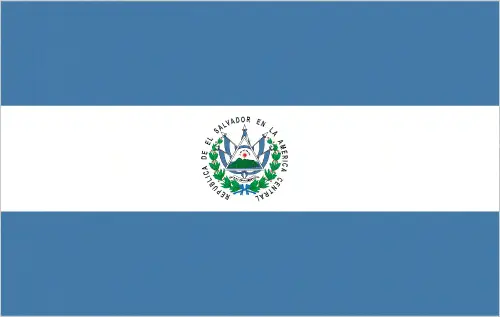 El Salvador — Key Facts El Salvador — Key Facts |
|
|---|---|
| Capital | San Salvador |
| Largest City | San Salvador |
| Driving Side | RIGHT |
| Vehicle Position | Left-Hand Drive (LHD) |
| Speed Highway | 110 km/h |
| Speed National | 80 km/h |
| Speed Urban | 50 km/h |
| Speed School Zone | 30 km/h |
| BAC Limit | 0.05% |
| Emergency Police | 911 |
| Emergency Ambulance | 911 |
| Tolls | YES — CAT autopistas; ~US$0.50–1.00/booth; cash USD |
| Currency | US Dollar (USD) — since 2001; Bitcoin also legal tender |
| IDP | Recommended |
| Visitor Permit | Not required — home licence valid |
| Border Crossings | Guatemala (Valle Nuevo, La Hachadura, Anguiatú); Honduras (El Poy, El Amatillo) |
El Salvador, known as the “Land of Volcanoes,” is the smallest and most densely populated country in Central America, yet it offers incredible diversity for drivers exploring the region. Covering just 21,041 square kilometers, this beautiful nation stretches from the Pacific Ocean in the south to mountainous terrain in the north, with a network of well-maintained roads that make self-drive tourism increasingly accessible. For international visitors, El Salvador presents a unique advantage: it is the only Central American nation to officially adopt the US Dollar (USD) as its sole currency since 2001, eliminating exchange rate concerns and simplifying transactions at fuel stations, tolls, restaurants, and accommodations. This financial convenience, combined with the country’s relatively short driving distances—no point is more than a few hours from another—makes it an ideal destination for road trip enthusiasts.
Beyond currency convenience, El Salvador offers a fascinating blend of modern infrastructure and natural wonder. The nation boasts over 25 volcanoes, including the active Santa Ana volcano (Ilamatepec) reaching 2,381 meters, and the iconic Izalco, long known as the “Volcano of Fire.” The country’s pacific coastline has earned it a reputation as a world-class surf destination, with beaches like El Tunco and El Zonte attracting surfers from around the globe. The celebrated Ruta de las Flores—a scenic mountain highway connecting colonial coffee-growing towns—showcases El Salvador’s colonial heritage and agricultural traditions. For drivers, the country presents manageable road distances, a unified 911 emergency system, and a stringent 0.05% blood alcohol content limit that enforces responsible driving practices. Additionally, El Salvador has become a pioneer in blockchain technology, being the first nation in the world to adopt Bitcoin as legal tender in September 2021, though the US Dollar remains the practical currency for most daily transactions and vehicle-related expenses.
This comprehensive driving guide covers everything international visitors need to know about operating a vehicle in El Salvador, from navigating the Pan-American Highway to understanding toll road systems, border crossings with Guatemala and Honduras, and discovering the country’s most scenic routes. Whether you’re planning a relaxing beach drive along the Pacific coast, an adventurous journey up mountain roads toward volcanic peaks, or a cultural exploration of colonial towns, this guide provides detailed information on road rules, fuel availability, GPS navigation, practical driving tips, and must-see destinations accessible by car. With proper preparation and knowledge of local driving customs, El Salvador is an exceptional destination for self-drive exploration in Central America.
This El Salvador Google Map provides an interactive overview of El Salvador’s road network, volcanoes, and driving routes.
Use the interactive map above to explore El Salvador’s road network and plan routes across the country.
Road Network and Infrastructure
El Salvador’s road network forms the backbone of transportation across Central America’s smallest country, with approximately 10,000 kilometers of roads connecting major cities, scenic destinations, and international border crossings. The most significant thoroughfare is the Inter-American Highway (CA-1), which runs east-west across the country and serves as the main artery linking San Salvador to Guatemala in the west and Honduras in the east. This major highway is generally well-maintained with modern paving, multiple lanes in urban and suburban sections, and reasonably good shoulders for emergency stops. The CA-1 is the primary route used by international travelers and commercial transport, featuring relatively consistent road quality and clear directional signage.
The CA-4, officially known as the Troncal del Norte (Northern Trunk Road), connects the capital region northward toward Guatemala through mountainous terrain. This route passes through Suchitoto and La Palma, providing access to the northern border crossing at El Poy. The CA-4 has undergone significant improvements in recent years, with newly paved sections that handle both tourist traffic and commercial vehicles serving the agricultural regions. The Pacific coast is serviced by the CA-2 coastal highway, which runs south from San Salvador through La Libertad, El Tunco, and continues eastward toward the Honduras border. The CA-2 provides access to El Salvador’s primary beach destinations and surf breaks, though road conditions can vary between well-maintained sections near major beach towns and rougher patches in more remote coastal areas.
Secondary road networks, designated as CA-12, CA-13, CA-3, and numerous local roads, provide access to smaller towns, volcanic national parks, and rural regions. The Desvío Santa Ana—a significant secondary route—connects the western highlands including Santa Ana and Sonsonate departments. The Bypass de San Salvador, also known as the ring road (Anillo Metropolitano), encircles the capital city and provides an alternative to navigating downtown congestion, with several tolled sections managed by CAT (Comisión Autónoma del Río Lempa). Urban road infrastructure in San Salvador includes wide avenidas such as Bulevar de los Héroes (north-south) and Alameda Franklin Roosevelt (east-west), though these main thoroughfares experience severe congestion during peak hours.
Road quality generally follows a pattern: major highways (CA-1, CA-4, CA-2) are well-paved with painted lane markings, adequate drainage systems, and periodic rest stops. National roads (secondary highways) are typically paved but may have less consistent maintenance. Urban roads in San Salvador and other major cities are well-maintained with modern street lighting in central areas, though parking and congestion present challenges. Rural and mountain roads vary considerably—some are excellently maintained with modern paving, while others may be narrower, winding routes with less frequent maintenance. Most roads are signed in Spanish, with route numbers clearly marked. The VMT (Viceministerio de Transporte) oversees road maintenance and enforcement, while municipalities handle local street maintenance.
One notable feature of El Salvador’s road system is the prevalence of speed humps (topes or poyos) placed on approaches to virtually every town and municipality. These are essential to be aware of while driving, as they can be quite substantial and can cause damage if navigated at high speed. Police checkpoints are common throughout the country, particularly on main highways during peak travel times and in the evening. These checkpoints are routine traffic enforcement operations where officers may ask to see your driver’s license, passport, vehicle registration, and proof of insurance. Being courteous and having all documents readily available will facilitate smooth passage through checkpoints.
Speed Limits
El Salvador enforces a clearly defined speed limit system designed to promote safe driving across different road types and through populated areas. Understanding and adhering to these limits is critical, as speed enforcement is taken seriously by the Policía Nacional Civil (PNC) and traffic authorities, with cameras and radar speed enforcement active in many locations, particularly around San Salvador and major highways.
| Road Type | Speed Limit | Notes |
|---|---|---|
| Highways/Expressways (Autopistas) | 110 km/h | CA-1, CA-4, CA-2 main sections; well-marked with signs every 10–15 km |
| National Roads (Carreteras Nacionales) | 80 km/h | Secondary highways; often mountainous; reduced for safety |
| Urban/City Streets | 50 km/h | San Salvador city limits; enforced with cameras in central areas |
| School Zones | 30 km/h | Posted near schools; strictly enforced mornings and afternoons |
Speed humps (topes) are positioned at the entrance to virtually every town and residential area, serving as natural speed reduction devices. These are typically 3–8 centimeters high and can span the full width of the road. Many are painted yellow for visibility, but some older topes are less visible, especially at night. Experienced drivers approach towns cautiously and reduce speed well in advance. Hitting a tope at speed can cause suspension damage, so speed reduction before populated areas is advisable not only for legal compliance but also for vehicle safety.
Speed enforcement is primarily conducted by PNC traffic officers at permanent checkpoints and mobile radar speed enforcement units. Fines for speeding violations range from US$50 to several hundred dollars depending on how much over the limit you are traveling. Given the relatively low cost of fuel and tight road distances in El Salvador, maintaining legal speeds is practical and recommended. Mobile radar units are increasingly common on highways around San Salvador and major routes. Speed limit signs are posted in kilometers per hour (km/h) in Spanish language, so familiarizing yourself with the metric speed system before driving is essential if you are accustomed to miles per hour.
Toll Roads
El Salvador maintains an extensive system of toll roads (autopistas) managed by CAT (Comisión Autónoma del Río Lempa), a government highway authority responsible for maintaining and collecting tolls on several major expressway sections. For international visitors, understanding the toll system is crucial, as tolls are a regular expense for highway travel and require cash payment in US dollars.
The primary toll roads include sections of the CA-4 Troncal del Norte, particularly the improved highway sections connecting San Salvador northward toward Guatemala. The CA-1 bypass sections around San Salvador, known as the Bypass de San Salvador or Anillo Metropolitano, also feature multiple tolled segments. The Carretera de Oro (Golden Highway) on the CA-1 in some sections is tolled. Additionally, there are periodic toll booths on main approaches to the capital, designed to manage traffic flow and fund highway maintenance. Toll booths are typically staffed during all hours, including nighttime and early morning, so drivers should expect tolls on any major highway journey.
Toll booth operations are straightforward: approach the booth, be prepared to stop, and have US cash readily available. Most toll operators wear identifying uniforms and work from dedicated booth structures. The typical cost per booth ranges from approximately US$0.50 for shorter segments to US$1.00 for longer expressway sections. For a cross-country drive from the western Guatemala border (Valle Nuevo) to the eastern Honduras border (El Amatillo), drivers should budget approximately US$5–10 in tolls, depending on the exact routes and number of toll segments used. Credit cards are generally not accepted at toll booths, so carrying sufficient US dollar cash is essential. If you run out of cash, toll operators can sometimes direct you to nearby convenience stores or gas stations where you might obtain additional currency, but this is unreliable and not recommended.
The Bypass de San Salvador is particularly important for visitors, as it provides an efficient route around the congested capital city. This ring road connects major approach highways and allows drivers to avoid downtown San Salvador traffic while maintaining connection to the airport and key destinations north and south of the city. Several sections of the bypass are tolled, with clearly marked toll booth signs visible well in advance. Using the bypass can save considerable time during peak traffic hours (07:00–09:00 and 16:30–19:00 weekdays).
CAT operates a cashless toll system through pre-paid toll tags (transponders) for frequent users, but this is primarily designed for Salvadoran residents and commercial vehicles, not typically available to short-term international visitors. Therefore, cash payments are the standard expectation for tourists and visiting drivers. Toll receipt documentation may be requested as proof of payment if disputes arise, though this is extremely rare.
Road Rules and Traffic Regulations
El Salvador requires drivers to follow a set of clearly defined traffic regulations enforced by the Policía Nacional Civil (PNC), the national police force responsible for traffic enforcement. Understanding these rules is essential for legal compliance and safe operation of vehicles throughout the country.
Driving Side and Vehicle Requirements: El Salvador drives on the RIGHT side of the road, and vehicles must be left-hand drive (LHD). This is consistent with North American standards and most continental driving norms. Visitors from countries that drive on the left (United Kingdom, Japan, Australia, etc.) will need to adjust their driving positioning and awareness of traffic flow.
Blood Alcohol Content (BAC) Limit: The legal BAC limit in El Salvador is 0.05%, which is stricter than many North American jurisdictions (typically 0.08%) and represents a significant safety requirement. This limit applies to all drivers, including visitors with valid international driving permits. Breathalyzer testing is routine at checkpoints, and violations carry substantial penalties including fines of several hundred USD, vehicle impoundment, and potential jail time. The stringent limit reflects El Salvador’s commitment to eliminating drunk driving. It is strongly advised to avoid alcohol consumption entirely if you plan to drive, as even one or two drinks may put you near or over the legal limit depending on body weight, food consumption, and other factors.
Seatbelts: Seatbelt use is mandatory for all occupants in the front seat, and rear seatbelts (if installed) must be worn by passengers. Children under 12 years of age must be secured in appropriate child safety seats or booster seats. Violations of seatbelt regulations result in fines and can be a reason for police to stop a vehicle. Ensure all passengers are properly restrained before driving, particularly on highway sections.
Mobile Phone Use: Operating a mobile phone while driving is prohibited, including hands-free devices if they distract the driver. Texting, calling, and navigation via phone must be set up before driving or pulled over to a safe location if changes are necessary. Waze and Google Maps are recommended for navigation, but these should be set up with a phone mount visible to the driver before departure, not handled manually while the vehicle is in motion.
Traffic Lights and Intersections: Traffic lights in El Salvador operate on standard red-yellow-green cycles. Red means stop; yellow indicates the signal is about to turn red (and drivers should not enter the intersection if safely possible); green means proceed with caution, yielding to any traffic already in the intersection. Many Salvadoran drivers treat yellow lights as an opportunity to accelerate through the intersection, so even when your light turns green, scan for vehicles running the red light before proceeding. U-turns at traffic lights are not permitted unless specifically signed, and running a red light is a serious violation subject to fines and potential vehicle detention.
Unmarked Intersections and Priority: At unmarked intersections without traffic signals, traffic from the right has priority. If you are approaching an intersection from the left and another vehicle approaches from the right simultaneously, the vehicle on your right has the legal right of way. In practice, however, Salvadoran drivers often navigate intersections based on size of vehicle and assertiveness rather than strict legal priority. Proceed cautiously and make eye contact with other drivers when possible.
Headlights: Headlights must be used at night and are recommended even during daylight hours on highways for improved visibility. Some highways and mountain roads have poor lighting, making nighttime driving hazardous. If your vehicle’s headlights are not functioning, you are subject to citation and should have them repaired immediately.
Police Checkpoints: Roadblocks and checkpoints operated by the PNC are common throughout El Salvador, particularly on main highways, at major intersections, and during evening hours. At checkpoints, be prepared to:
– Slow down and stop if directed by officers
– Present your valid passport or national ID
– Provide your driver’s license (international driving permit recommended)
– Show vehicle registration documents
– Demonstrate proof of vehicle insurance
– Allow visual inspection of the vehicle if requested
Checkpoints are routine and generally professional. Remain calm, courteous, and compliant. Do not attempt to drive around a checkpoint or refuse to stop, as this is a serious violation. Most checkpoints are completed within a few minutes if your documents are in order. Avoid sudden movements, keep your hands visible, and follow officer instructions. Offering bribes is illegal and not necessary for routine checkpoints if your documentation is valid.
Insurance: While Salvadoran law does not strictly require visitors to carry liability insurance, it is highly recommended. If you are renting a vehicle, rental agencies will provide insurance as part of the rental agreement. If importing a vehicle, obtain insurance at the border or from a Salvadoran insurer. In the event of an accident, lack of insurance can result in vehicle impoundment and significant financial liability.
Pedestrians and Vulnerable Road Users: Pedestrians have the right of way in marked crossings. However, pedestrian safety is a concern in El Salvador, with many pedestrians not using designated crossings. Defensive driving practices and constant alertness to pedestrian movement are essential, particularly in urban areas and near schools. Motorcyclists and bicycle riders share road space; these vulnerable users may not always obey traffic rules, so additional caution is warranted.
Fuel and Petrol Stations
El Salvador has a well-developed network of fuel stations with major brands operating throughout the country, particularly along main highways and in urban areas. Fuel availability is generally reliable, though stations in remote rural areas may have limited hours or occasionally run out of specific fuel grades during high-demand periods.
Fuel Station Brands and Network: Major fuel station brands operating in El Salvador include PUMA, Shell, Texaco, Uno, and Esso. PUMA and Shell are the most extensive networks with stations in virtually every city and along major highways. These brands are recognizable internationally and operate to consistent safety and quality standards. Smaller independent stations exist in rural areas but are less common. Prices are competitive across brands, varying slightly by location and fuel grade. Fuel stations are generally open from early morning (5:00 or 6:00 AM) through late evening, with many major stations operating 24 hours in and around San Salvador and on major highways.
Fuel Types and Pricing: El Salvador offers several fuel grades for sale:
– Regular gasoline (gasolina regular): Approximately US$0.80–0.95 per liter; most commonly used for standard vehicles
– Premium gasoline (gasolina premium): Approximately US$0.95–1.10 per liter; for higher-octane engines
– Diesel (diésel): Significantly cheaper than gasoline, typically US$0.60–0.75 per liter; widely available for diesel vehicles
Fuel prices in El Salvador are among the lowest in Central America, benefiting from government subsidies that help keep prices stable and affordable. The government tightly regulates fuel pricing, preventing wild price swings that might otherwise occur due to global petroleum markets. Prices are posted prominently at all stations and are quoted in US dollars. A typical vehicle with a 50-liter tank might cost US$40–50 to fill with regular gasoline, representing excellent value for international travelers.
Payment Methods: Most fuel stations accept both cash and credit/debit cards. Cash payments are straightforward: fill the tank, note the amount, and pay at the pump or inside the station. Credit card acceptance is nearly universal at branded stations (Shell, PUMA, Texaco, Esso, Uno), though smaller rural stations may be cash-only. Visa and Mastercard are widely accepted; American Express is less common. When using a credit card, the pump may require a PIN, so inform the attendant if your card requires manual entry at the station. Some smaller stations may have daily credit card limits, so carrying cash as backup is prudent.
Full Service and Self-Service: El Salvador’s fuel stations operate in a hybrid model. Attendants typically pump fuel for you (full service), though self-service pumps are increasingly available at larger stations. You can indicate your preference when arriving at a station. Tipping attendants is appreciated but not required; rounding up the payment or offering a dollar or two is customary if service was good.
LPG and Alternative Fuels: Liquefied petroleum gas (LPG) is available at some specialized stations in larger cities. However, vehicle conversion to LPG is not common among rental or tourist vehicles, so this is primarily relevant for vehicles imported or purchased locally. Standard rental vehicles use gasoline or diesel.
Fuel Station Safety and Facilities: Major branded stations provide clean facilities with restrooms (baños), convenience stores offering snacks and drinks, and sometimes small restaurants. Facilities at remote rural stations may be more basic. Stations along main highways are generally well-lit and safe, particularly during daytime. Nighttime fuel stops are safe at major branded stations but should be minimized in isolated areas. Use well-known brands for security and reliability, particularly during evening hours.
Planning Fuel Stops: El Salvador’s relatively small size means fuel stations are rarely far apart. However, it is prudent to fuel up before departing for remote mountain roads or long drives without guaranteed services. Check your fuel gauge before traveling on secondary roads, particularly in the eastern or northern regions. Major highways are well-serviced with fuel stations every 20–40 kilometers. If renting a vehicle, clarify the fuel policy with the rental agency; typically, vehicles are provided with a full tank and should be returned with a full tank, or you will be charged for fuel at rental company rates.
Currency: USD and Bitcoin
El Salvador’s currency situation is unique and exceptionally convenient for international visitors, particularly those traveling with US dollars. The country officially uses the US Dollar (USD) as its sole currency, a distinction that eliminates exchange rate concerns and simplifies financial transactions for tourists from North America and other USD-using regions.
US Dollar as Official Currency: El Salvador officially adopted the US Dollar in 2001, becoming the first Central American country to dollarize its economy and eliminate its previous national currency (the Salvadoran Colón). This decision was made to promote economic stability, facilitate international trade, and reduce currency exchange costs. For visitors, this represents a tremendous advantage: there is no currency conversion needed, no exchange rate fluctuations to worry about, and no hidden fees or unfavorable exchange margins. A US dollar you bring into El Salvador is worth exactly one dollar throughout the country. Prices are quoted in USD, ATMs dispense USD, and fuel stations, tolls, restaurants, and shops all accept USD. This removes one of the major hassles of international travel and is particularly beneficial for cash-based transactions like fuel purchases and toll payments.
Bitcoin as Legal Tender: In a historic economic move, El Salvador became the first nation in the world to adopt Bitcoin (BTC) as official legal tender on September 7, 2021. This was a bold initiative to promote financial inclusion, attract cryptocurrency interest, and position the country as a blockchain innovation hub. The government created the Chivo wallet, a national digital wallet system to facilitate Bitcoin transactions and provide citizens with a mechanism to store and spend Bitcoin at any business accepting it. However, despite the legal status of Bitcoin, practical adoption remains limited. In reality, most businesses, fuel stations, toll operators, and service providers still primarily accept and prefer US dollars. Bitcoin acceptance is more common in urban tourism-oriented businesses, boutique restaurants, and tech-forward establishments, but is virtually non-existent at fuel stations and toll booths, which are essential for driving activities.
Bitcoin for Visitors: While Bitcoin is technically legal tender, international visitors should not rely on Bitcoin for vehicle-related expenses. Fuel stations and toll booths operate exclusively on US dollar cash basis, and attempting to pay with Bitcoin would result in payment rejection and traffic delays. If you are a cryptocurrency enthusiast, you may use Bitcoin for hotels, restaurants, and shopping in San Salvador and tourist areas, but this is entirely optional and not necessary. The vast majority of Bitcoin transactions are facilitated through digital wallets and online platforms rather than cash-like transactions at businesses. For driving-related activities specifically—fuel, tolls, parking, vehicle repairs—USD cash is the mandatory payment method.
Cash Management for Drivers: For any driving activities in El Salvador, carry sufficient US dollar cash at all times. Tolls require USD cash payments, with most booths not accepting cards. Fuel stations may accept credit cards, but cash is more universally accepted and avoids potential card decline issues. Carry a mix of bill denominations: small bills (US$1–5) for toll booths to facilitate exact change, and larger bills (US$20–50) for fuel and general expenses. A reasonable cash amount for a week of driving would be US$100–200, depending on driving distance and fuel consumption. ATMs are abundant in San Salvador and larger cities, dispensing USD, so you can replenish cash as needed. Avoid keeping large amounts of visible cash; use hotel safes to store excess funds and carry daily amounts discreetly.
Credit and Debit Cards: Major credit and debit cards (Visa, Mastercard) are accepted at fuel stations, hotels, restaurants, and shops in urban areas and tourist destinations. However, they are not universally accepted at small rural businesses or toll booths. Card acceptance is less reliable on secondary roads and in remote areas. Inform your bank that you are traveling in El Salvador to prevent fraud-related card blocks. Keep contact information for your bank readily available in case card issues arise. Many ATMs in El Salvador are associated with US bank networks and charge modest fees (typically US$2–5 per withdrawal). Using ATMs affiliated with major networks (such as Citibank, BAC, or HSBC) may offer better exchange rates if your home currency is not USD, though this is moot for USD travelers.
Border Crossings
El Salvador shares land borders with two countries: Guatemala to the west and Honduras to the north and east. International drivers can cross these borders at several official border crossings, each with distinct characteristics, traffic volumes, and road conditions on either side.
Guatemala Border Crossings: There are three main border crossings between El Salvador and Guatemala, each serving different regions and traffic patterns.
Valle Nuevo/San Cristóbal Border Crossing (CA-1 Pan-American Highway): This is the busiest and most heavily trafficked border crossing, located at the intersection of the CA-1 Pan-American Highway. It is open 24 hours and services both tourist and commercial traffic. The Salvadoran side is straightforward: present your passport to immigration, get a Salvadoran exit stamp if required, and proceed through vehicle inspection. The road conditions on both sides are excellent, with the CA-1 being the region’s primary artery. Expect queues during peak travel times (early morning and afternoon), which can occasionally extend to 30–60 minutes. This crossing is recommended for most international travelers due to its 24-hour operation, good road connections, and reliable facilities.
La Hachadura Border Crossing (CA-2 Pacific Coast Highway): Located on the CA-2 coastal highway, this crossing serves travelers heading to and from the Pacific coast. It is less busy than Valle Nuevo and is open during standard hours (typically 06:00–18:00). The crossing itself is straightforward, with immigration and vehicle control on both sides. Road conditions on both sides are decent, though the Pacific approach can be narrower and more winding than the CA-1. This crossing is ideal for coastal tourism, providing access to Salvadoran Pacific beaches from Guatemala’s coast.
Anguiatú Border Crossing (CA-12 Northern Route): This smaller crossing, located on the CA-12 highway in the northern region, is less busy but connects mountainous terrain on both sides. It serves local and regional traffic between highland communities. Road conditions approach the crossing are generally acceptable, though the CA-12 can be winding and less developed than the Pan-American Highway. This crossing is used less frequently by international tourists but is viable for regional exploration.
Honduras Border Crossings: There are two main border crossings between El Salvador and Honduras.
El Poy/La Palma Border Crossing (CA-4 Troncal del Norte): Located in the northern region on the improved CA-4 highway, this crossing provides access to Honduras’ western regions. It is open 24 hours and is moderately busy with both tourist and local traffic. The crossing process is straightforward, and road conditions on both approaches are good. This is the primary route for visitors traveling between northern El Salvador (Suchitoto, La Palma) and Honduras.
El Amatillo Border Crossing (CA-1 Pan-American Highway): Situated on the CA-1 eastern approach, this crossing serves regional traffic and is open during standard hours (06:00–18:00). It is less busy than El Poy and the Guatemala crossings. Road conditions on both sides are acceptable, with the CA-1 connection being reliable. This crossing provides access to Honduras’ central and southern regions.
Border Crossing Procedures for Drivers: The border crossing process for private vehicles is generally straightforward but requires proper documentation. Be prepared with:
– Valid passport with current visa status (if required for destination country)
– Vehicle registration documents and proof of ownership
– Valid driver’s license (international driving permit recommended)
– Vehicle insurance valid for destination country
– Vehicle title or rental agreement
Proceed through immigration inspection first (separate lane for residents and tourists), then to vehicle inspection. Customs officials may request to see the vehicle’s interior and luggage; cooperate fully. The entire process typically takes 15–45 minutes depending on traffic and thoroughness of inspection. Have all documents readily accessible to avoid delays. Do not leave the vehicle attended while crossing; keep it with your group at all times.
Vehicle Insurance at Borders: Central American countries require vehicles to have liability insurance valid for each country. The “Green Card” system accepted in North America and Europe is not widely recognized in Central America. If your vehicle is not insured for the destination country, you must purchase insurance at the border before proceeding. Insurance offices (aseguradoras) operate at major border crossings, typically just before or after the immigration booths. A temporary policy for a few weeks typically costs US$100–300 depending on vehicle value and coverage. Purchasing insurance at the border is time-consuming (adds 30–60 minutes to the crossing), so if your original insurer offers Central American coverage, obtain proof before arrival at the border to bypass this step. Rental vehicles typically include insurance for the countries you are permitted to visit based on your rental agreement; clarify this before renting and request expansion if you plan to cross additional borders.
CA-4 Free Mobility Agreement Considerations: The Central American CA-4 Free Mobility Agreement between Guatemala, Honduras, El Salvador, and Nicaragua allows citizens of these countries to move freely across borders without visa requirements. However, tourists and visitors from outside the region still must follow standard border procedures. The agreement does not change vehicle import regulations; your vehicle still must clear customs and meet insurance requirements for each country. Keep this in mind when planning cross-border routes.
Driving in San Salvador
San Salvador, the capital city and largest metropolitan area in El Salvador, is home to approximately 2.4 million people in the greater metropolitan region. Driving in San Salvador presents both opportunities for exploring urban attractions and challenges related to congestion, complex traffic patterns, and navigation in a dynamic urban environment. The city has expanded rapidly, with modern infrastructure coexisting alongside older neighborhoods, creating a varied driving experience.
San Salvador Traffic Patterns and Peak Hours: San Salvador experiences significant congestion during weekday rush hours, with the most severe traffic occurring between 07:00–09:00 AM (morning commute) and 16:30–19:00 (evening commute). These periods see bumper-to-bumper traffic on major avenues, with travel speeds sometimes reducing to 10–15 km/h. Midday traffic (10:00–15:00) is more moderate, and evening traffic after 19:00 is generally lighter. Weekends see reduced congestion overall, though major shopping districts and downtown areas remain busy during daytime hours. If possible, plan major travel within or out of San Salvador to avoid these peak periods.
Major Avenues and Navigation: San Salvador’s main north-south arterial road is the Bulevar de los Héroes (Heroes Boulevard), a major multi-lane thoroughfare running through the city center with numerous traffic lights and intersections. Alameda Franklin Roosevelt is the main east-west avenue, connecting the airport region to the western city limits. Both avenues are well-marked and serve as primary navigation references for drivers. The city is laid out in a grid pattern in some areas, with numbered avenidas (avenues) running north-south and numbered calles (streets) running east-west, similar to many Central American capitals. However, downtown San Salvador (Casco Histórico) has irregular street layouts, making navigation challenging without GPS. Neighborhoods radiating from the center include Escalante, La Ronda, and San Benito to the east; Mejicanos to the north; and Ciudad Nueva to the south.
The Bypass de San Salvador (Anillo Metropolitano): For visitors seeking to avoid downtown congestion, the Bypass de San Salvador (Anillo Metropolitano) is essential to understand. This ring road encircles the city, with tolled sections, and provides connections between major approach highways (CA-1 east and west, CA-4 north, CA-2 south) without entering downtown. The bypass is particularly useful for transiting between the airport and other regions north or west of the city, or for reaching destinations in surrounding municipalities without navigating downtown traffic. Using the bypass adds minor tolls (approximately US$1–2) but saves substantial time during peak hours. Major entry/exit points from the bypass are clearly marked.
Airport Access (Monseñor Óscar Arnulfo Romero International Airport): The airport is located in Comalapa, approximately 45 kilometers south of downtown San Salvador, accessible via the CA-4 expressway. The expressway is well-maintained and clearly marked with airport signs. Travel from the airport to downtown San Salvador typically takes 45–60 minutes during normal traffic, but can extend to 90 minutes during peak congestion. Using the bypass is recommended for airport transits. Rental car agencies are located at the airport terminal; many visitors rent vehicles immediately upon arrival. The drive from the airport into the city provides your first impression of El Salvador’s road conditions and driving style.
Parking in San Salvador: Parking availability varies significantly by neighborhood. Central San Salvador and downtown Casco Histórico have limited street parking, and many streets prohibit parking during certain hours. Guarded parking lots (estacionamientos) and shopping centers provide paid parking, typically costing US$0.50–2.00 per hour or US$5–15 per day depending on location. Neighborhoods such as Escalante, San Benito, and La Ronda have commercial parking facilities and street parking where available. For hotel stays, inquire about parking availability when booking accommodations; most hotels provide secure parking for guests. Never leave a vehicle unattended with visible valuables, and avoid street parking in unfamiliar neighborhoods, particularly at night.
Navigation Tools: Waze and Google Maps are highly recommended for navigation in San Salvador and throughout El Salvador. Both applications provide real-time traffic information, route optimization, and turn-by-turn guidance. Waze is particularly popular among Salvadoran drivers and provides crowdsourced traffic and hazard information. Download offline maps before arriving if your data plan is limited. Set up navigation before driving to avoid distracted driving while handling your phone. Most modern rental vehicles include smartphone integration (Android Auto, Apple CarPlay) that allows safer navigation through dashboard displays. GPS functionality is reliable throughout El Salvador, with consistent signal reception in urban and rural areas.
Driving Safety in San Salvador: San Salvador traffic can be aggressive, with drivers making sudden lane changes, ignoring traffic laws, and navigating intersections assertively. Maintain defensive driving practices: assume other drivers will not follow rules, keep distance from vehicles ahead, and avoid unnecessary horn use (which can be perceived as aggressive). Avoid nighttime driving in unfamiliar neighborhoods; stick to main avenues and well-lit areas if driving after dark. Carjacking is a rare but documented occurrence in certain neighborhoods; use established parking facilities, avoid leaving vehicles unattended, keep doors locked while driving, and do not display expensive items like cameras, jewelry, or large amounts of cash. Tourism-focused neighborhoods like Escalante and San Benito are generally safer; avoid neighborhoods with evident gang activity or deteriorated infrastructure.
Parking Etiquette and Regulations: Parking regulations in San Salvador are increasingly enforced with traffic wardens and cameras. Paid parking zones (blue lines on streets) require payment via parking meters or mobile apps. No-parking zones are marked with red lines. Parking near fire hydrants, in disabled parking spaces, or on double yellow lines results in fines and possible vehicle towing. Always purchase parking tickets or use authorized parking facilities. Many restaurants, shops, and attractions offer customer parking in dedicated lots or partner facilities.
Scenic Drives and Destinations
Beyond the practical necessities of driving in El Salvador, the country offers numerous scenic routes and destinations that showcase its natural beauty, colonial heritage, and cultural richness. These drives range from coastal experiences to mountain routes through volcanic landscapes.
Ruta de las Flores (Route of the Flowers): The Ruta de las Flores is El Salvador’s most famous scenic drive, a 70-kilometer mountain route connecting four colonial towns: Nahuizalco, Juayúa, Apaneca, and Concepción de Ataco. Located in the western highlands about 90 kilometers from San Salvador, this route winds through spectacular landscape of coffee plantations, flower farms, pine forests, and misty mountain terrain. The towns themselves are charming, with cobblestone streets, colorful colonial architecture, local restaurants, and craft shops. The drive typically takes 2–3 hours including stops, and is best traveled during the day when visibility is good and the roads can be fully appreciated. The route is increasingly popular with tourists, and weekend crowds can be significant at the destination towns. Friday–Sunday evenings feature “food streets” with food vendors, music, and festivities that add to the festive atmosphere. Overnight accommodations in these towns range from budget hostels to upscale eco-lodges. This is an essential drive for experiencing El Salvador’s interior culture and landscape.
Pacific Coast and Beach Drives: The CA-2 coastal highway provides access to El Salvador’s Pacific beaches, the country’s most famous recreational area. The drive south from San Salvador to the coastal towns takes approximately 60–90 minutes depending on starting point and destination. Major beach towns include La Libertad (a working fishing village and tourist hub), El Tunco (internationally famous for surfing, with hostels and restaurants catering to the backpacker and surf tourism market), El Zonte (smaller, quieter beach village gaining attention as “Bitcoin Beach” due to Bitcoin adoption), and Playa San Diego (a newer resort development). The coastal region offers excellent fresh seafood, surfing opportunities, and beachfront accommodations. The road is well-maintained with good shoulders and clear signage. Driving along the coast at sunset provides stunning views of the Pacific Ocean, particularly from elevated sections of the CA-2. Beach town parking is available in designated lots near the water; accommodate your vehicle securely and do not leave valuables visible.
Parque Nacional El Boquerón and Santa Ana Volcano: Located about 65 kilometers west of San Salvador, the Parque Nacional El Boquerón provides access to the Santa Ana Volcano (officially Volcán Ilamatepec), El Salvador’s highest peak at 2,381 meters and one of Central America’s most active volcanoes. The drive via the CA-1 west and secondary roads is scenic, passing through agricultural areas and towns. The park entrance is accessible by standard vehicles on reasonable gravel roads, though high-clearance vehicles are preferable. A hiking trail leads to the crater rim (approximately 2–3 hours round trip). The park also features the nearby Izalco Volcano, known as the “Volcano of Fire” (Volcán Izalco) due to its frequent eruptions throughout the 20th century. The combination of two active volcanoes, tropical forest environment, and cultural heritage makes this a significant regional attraction. Visits are best arranged with a guide; park facilities include basic accommodations and food service.
Suchitoto and Lago Suchitlán: Approximately 50 kilometers north of San Salvador via the CA-4, Suchitoto is a beautifully preserved colonial town perched on a hillside overlooking Lago Suchitlán (Suchitlán Lake), Central America’s largest artificial lake created by a dam. The town features colorful colonial architecture, local museums including the PROCAFÉ Museum (coffee history), art galleries, and restaurants with lake views. The drive is scenic, passing through rural landscapes and agricultural areas. The lake itself is used for recreation, with boat tours available from Suchitoto’s waterfront. The town attracts art enthusiasts, cultural tourists, and those seeking a relaxed colonial town experience away from the capital’s hustle. Accommodations range from budget-friendly guesthouses to mid-range hotels with amenities. This is an excellent day trip or overnight destination from San Salvador.
Ruta de la Paz (Route of Peace) and Perquín: In the eastern mountainous region, the Ruta de la Paz connects several towns associated with El Salvador’s post-civil war reconciliation efforts. Perquín, a mountain town at higher elevation, is home to the PAIS Museum (Museo de la Palabra y la Imagen), which documents the civil war period and promotes peace education. The drive from San Salvador to Perquín takes approximately 3–4 hours via the CA-1 eastward and secondary mountain roads. The terrain becomes increasingly mountainous and forested, with beautiful vistas of lush valleys. This region is less touristed than western areas and offers an authentic experience of rural El Salvador. The town is cool, with elevation providing relief from the coastal heat. Community-based tourism initiatives in the region offer homestays, local guides, and cultural experiences including coffee cultivation visits.
Lago de Coatepeque: Located about 35 kilometers west of San Salvador near Santa Ana, Lago de Coatepeque is a stunning crater lake surrounded by lush forest and residential areas. The drive via the CA-1 west is straightforward, with secondary roads descending to the lake. The lake is used for recreation, fishing, and leisure. Several restaurants and recreational facilities on the waterfront offer lunch and water activities. The scenery is particularly beautiful in early morning or late afternoon light. This is an accessible day trip from San Salvador or the western region.
Santa Ana City: Santa Ana, El Salvador’s second-largest city, is located about 65 kilometers west of San Salvador via the CA-1. The city itself is worth exploring, with colonial architecture, a central cathedral, museums, and cultural sites. The surrounding region includes access to volcanoes, crater lakes, and coffee-growing areas. Santa Ana serves as a hub for accessing western region attractions and is a natural overnight stop when traveling between the capital and Guatemala borders.
Parque Nacional Montecristo: Located in the tri-border region where Guatemala, Honduras, and El Salvador meet, the Parque Nacional Montecristo protects a cloud forest ecosystem at higher elevation. The drive to the park entrance involves navigating mountain roads through the northwest region, passing through the towns of Metapán and Marcala. The park features hiking trails, diverse flora and fauna, and dramatic misty forest environment. Access requires high-clearance vehicles and a guide; the park is less developed for tourism than other Salvadoran attractions but is exceptional for nature lovers and hikers seeking pristine cloud forest experience. The drive itself is rewarding, offering spectacular mountain scenery and authentic rural El Salvador.
Practical Driving Tips
Essential Items to Carry: Before embarking on any drive in El Salvador, ensure your vehicle contains the following items: valid driver’s license (international permit recommended), vehicle registration and proof of insurance, passport, cash in US dollars (essential for tolls and fuel), copies of important documents stored separately from originals, mobile phone with fully charged battery and offline maps downloaded, first-aid kit, water bottles, sun protection (hat, sunscreen), and a small toolkit for basic repairs. Carry a copy of your vehicle rental agreement if renting.
Cash Management at Tolls and Fuel Stations: Toll booths and fuel stations operate exclusively on a cash basis for payment. Have US dollar bills in small denominations (US$1–5 bills) readily accessible for toll payments, which typically range from US$0.50–1.00 per booth. Fuel station attendants will appreciate having cash and may have limited change availability if you pay with very large bills. Keep cash in a secure location, not visibly displayed on the vehicle’s dashboard or seats. When stopping at remote fuel stations or toll booths, keep doors locked and windows partially raised if exiting briefly.
Navigation Technology: Waze and Google Maps are essential navigation tools in El Salvador, providing real-time traffic information, route optimization, and accurate turn-by-turn directions in Spanish and English. Download offline maps of El Salvador before traveling to ensure navigation functionality if cellular signal is lost in remote areas. Set up navigation on your phone and mount the device on the dashboard before driving to avoid distracted driving. Smartphone integration via Android Auto or Apple CarPlay is preferable if your rental or vehicle supports it, as it allows safer hands-free navigation. Note that GPS signals are reliable throughout the country, including mountain and rural areas.
Night Driving Precautions: Nighttime driving in El Salvador outside of well-lit urban areas should be approached cautiously. Many rural roads lack consistent lighting, some vehicles operate without properly functioning headlights, and speed humps and hazards are less visible at night. Avoid night driving on mountain roads where visibility is reduced and road conditions are variable. If night driving is necessary, use headlights (even in urban areas), reduce speed, and exercise heightened vigilance. Certain rural neighborhoods and isolated areas carry safety concerns; avoid driving in unfamiliar areas after dark. If stranded or requiring assistance at night, remain in your locked vehicle and contact local authorities or your rental car company rather than wandering for help.
Speed Humps and Town Approaches: Speed humps (topes or poyos) are placed at the entrance to virtually every town, village, and residential area in El Salvador. These are often substantial obstacles (3–8 centimeters high, sometimes wider) that can cause significant suspension damage if hit at speed. Experienced drivers scan the road surface ahead when approaching populated areas and reduce speed well in advance of town limits. Yellow painted speed humps are more visible, but older, unpainted topes are easy to miss, particularly at night or in areas with poor lighting. Hitting a speed hump at full speed can damage suspension, tires, and undercarriage. Salvadoran drivers are accustomed to topes and navigate them smoothly; maintain awareness and adjust speed accordingly.
Police Checkpoints and Documentation: Police checkpoints are a normal feature of driving in El Salvador, particularly on main highways and during evening hours. At checkpoints, be prepared to stop, present your passport and driver’s license, show vehicle registration and insurance, and allow visual inspection of the vehicle if requested. Keep all documents organized and readily accessible to facilitate quick processing. Remain calm, courteous, and compliant with officer instructions. Do not attempt to bribe officers; while corruption exists in some sectors, checkpoints are generally straightforward if your documentation is valid. The checkpoint process typically takes 5–15 minutes. If stopped for any reason, turn on hazard lights, reduce speed gradually, and pull to a safe location off the roadway if possible.
Motorcycle Taxis and Vulnerable Road Users: Motorcycle taxis (mototaxis) are prevalent in rural and urban areas of El Salvador, often operating informally and not always adhering to traffic laws. These vehicles may suddenly change lanes, travel at variable speeds, or appear without warning. Keep awareness of motorcycle traffic and provide extra following distance to these vehicles. Bicycle riders and pedestrians similarly may not always follow designated paths or traffic signals; maintain heightened alertness when driving through towns or near schools where vulnerable road users are common.
Road Signs and Language: Road signs in El Salvador are primarily in Spanish, with route numbers, destination names, and warning messages displayed in Spanish language. Familiarize yourself with common Spanish road terminology: “Ceda el Paso” means “Yield/Give Way,” “Alto” means “Stop,” “No Estacionar” means “No Parking,” “Cerrado” means “Closed,” and “Desviación” means “Detour.” Speed limit signs display speeds in kilometers per hour (km/h), not miles per hour. Warning signs use international symbols (triangular yellow signs) for hazards like curves, pedestrian crossings, and road work.
Carjacking Awareness: While carjacking is not endemic to El Salvador, it remains a documented security concern in certain urban neighborhoods. To minimize risk: use established parking facilities rather than street parking, do not leave vehicles unattended in isolated locations, park in secure hotel or shopping center lots, avoid displaying expensive items like cameras, electronics, or large amounts of cash, keep doors locked while driving, and do not open doors to strangers claiming to need help. If approached by suspicious individuals near your vehicle, lock doors and contact authorities. Stick to well-traveled routes and established neighborhoods, particularly after dark. Many visitors pass through El Salvador without incident by exercising normal urban caution and avoiding obviously dangerous areas.
Vehicle Rental Considerations: If renting a vehicle, clarify terms regarding tolls (whether they are covered in the rental agreement or charged separately), fuel policy (full tank provided, return with full tank expected), insurance coverage (what is included and what additional coverage is recommended), and border crossing permissions (which countries you are permitted to drive in). Inspect the rental vehicle thoroughly for existing damage, document any scratches or dents photographically, and request repairs or documentation if significant damage exists before accepting the rental. Understand the refueling policy; most rental agencies charge a premium rate if you return the vehicle without a full tank, so refuel before returning rather than relying on rental company fuel services.
Emergency Services and Roadside Assistance: In case of emergency, dial 911 for police, fire, or medical services. This unified emergency number is available throughout El Salvador. For roadside assistance, contact your rental car company (whose information should be in your rental agreement) or the highway police (Policía de Tránsito). Keep your vehicle rental company’s 24-hour contact number accessible in your phone. For medical emergencies, major hospitals are located in San Salvador and larger cities; travel insurance that includes medical evacuation is recommended, particularly if traveling to remote regions.
FAQ: Driving in El Salvador
Does El Salvador use US dollars?
Yes, El Salvador uses the US Dollar (USD) as its official currency and sole legal tender. The country officially dollarized its economy in 2001, eliminating its previous national currency (the Salvadoran Colón) and adopting the US Dollar to promote economic stability and facilitate international trade. This decision is exceptionally beneficial for international visitors, particularly those from the United States or other USD-using countries. There is no currency conversion necessary, no exchange rate fluctuations to contend with, and no foreign exchange fees. A US dollar you bring into El Salvador is worth exactly one dollar throughout the country. Prices are quoted in USD at fuel stations, hotels, restaurants, shops, and toll booths. ATMs dispense US dollars, and all financial transactions are conducted in USD. Additionally, El Salvador became the first nation in the world to adopt Bitcoin as official legal tender in September 2021, though USD remains the practical currency for everyday transactions. For drivers specifically, USD cash is essential for toll payments and fuel purchases, which operate on a cash basis exclusively.
What is the drink-driving limit in El Salvador?
The legal blood alcohol content (BAC) limit in El Salvador is 0.05%, which is lower than many North American jurisdictions (typically 0.08%) and represents a strict standard designed to promote road safety. This limit applies to all drivers, including international visitors with valid driving permits. Exceeding the legal BAC limit is a serious violation subject to substantial penalties, including fines of several hundred USD, vehicle impoundment, and potential jail time. Breathalyzer testing is routine at police checkpoints, and officers may conduct field sobriety tests if they suspect alcohol impairment. The stringent limit reflects El Salvador’s commitment to eliminating drunk driving and protecting road safety. It is strongly advised to avoid consuming alcohol entirely if you plan to drive, as even one or two drinks may put you near or over the legal limit depending on body weight, food consumption, and other individual factors. If you consume alcohol, use taxis, ride-sharing services, or designated drivers rather than operating a vehicle.
Are there toll roads in El Salvador?
Yes, El Salvador has an extensive system of toll roads (autopistas) managed by CAT (Comisión Autónoma del Río Lempa), a government highway authority responsible for maintaining and collecting tolls on major expressway sections. Toll roads are found on several main highways, particularly the CA-4 Troncal del Norte northward from San Salvador, sections of the CA-1 Pan-American Highway, and the Bypass de San Salvador (ring road) that encircles the capital city. Toll booths are staffed 24 hours a day, seven days a week, and are present on virtually every major highway route. The typical cost per toll booth ranges from approximately US$0.50 to US$1.00 depending on the section length. For a cross-country drive spanning El Salvador from west to east (approximately 270 kilometers), budget approximately US$5–10 in total toll costs depending on the specific routes and number of toll segments used. Toll payments are exclusively cash basis in US dollars; credit cards are not accepted. Keep sufficient US dollar cash at all times when driving, with small denomination bills (US$1–5) readily accessible for toll payments. The Bypass de San Salvador is particularly important for avoiding congested downtown traffic while traveling through the capital region; several sections of this bypass are tolled.
Can I use Bitcoin to pay for fuel in El Salvador?
While El Salvador is the world’s first country to adopt Bitcoin as official legal tender (since September 2021), Bitcoin acceptance at fuel stations is virtually non-existent in practical terms. Fuel stations in El Salvador—whether branded companies like PUMA, Shell, Texaco, Esso, or Uno, or independent stations—operate exclusively on US dollar cash basis. Toll booths similarly accept only US dollar cash and do not process Bitcoin payments. Bitcoin is technically legal tender and is accepted at some tourism-oriented businesses, boutique restaurants, tech-forward establishments, and cryptocurrency-focused merchants, particularly in San Salvador. However, for vehicle-related expenses essential to driving—fuel, tolls, parking fees, and vehicle repairs—USD cash is the mandatory and only accepted payment method. If you are a cryptocurrency enthusiast, you may use Bitcoin at hotels, restaurants, and shops in urban tourism areas, but this is optional and not necessary. For driving activities specifically, carry sufficient US dollar cash at all times. The Chivo government Bitcoin wallet exists as a legal framework, but has limited practical adoption among ordinary businesses and merchants that travelers encounter.
What is the Ruta de las Flores?
The Ruta de las Flores (Route of the Flowers) is El Salvador’s most famous and scenic driving route, a 70-kilometer mountain highway in the western highlands connecting four charming colonial towns: Nahuizalco, Juayúa, Apaneca, and Concepción de Ataco. Located approximately 90 kilometers west of San Salvador, this route winds through spectacular landscape of coffee plantations, flower farms, pine forests, and misty mountain terrain. The drive typically takes 2–3 hours including stops and is best traveled during daylight hours when visibility is optimal and the spectacular scenery can be fully appreciated. The four towns along the route each offer distinctive character: Nahuizalco features indigenous artisan traditions and indigenous market culture; Juayúa is known for its picturesque colonial architecture and Friday–Sunday “food street” with local food vendors and music; Apaneca offers cool mountain air at higher elevation and local restaurants; and Concepción de Ataco is characterized by colorful colonial houses and art galleries. All four towns feature locally-owned restaurants serving traditional Salvadoran and regional cuisine, craft shops selling local arts and textiles, and accommodations ranging from budget hostels to upscale eco-lodges. The route attracts both domestic and international tourists, with weekend crowds being particularly significant. The Ruta de las Flores is essential for experiencing El Salvador’s interior mountain culture, colonial heritage, agricultural traditions, and natural landscape, and is highly recommended for all visitors with time to explore beyond the capital and coast.
What documents do I need to drive in El Salvador?
International visitors can legally drive in El Salvador with a valid driver’s license from their home country, provided the license is valid and not suspended or revoked. An International Driving Permit (IDP) issued by your home country’s automobile association under the 1968 Vienna Convention is recommended, as it provides translation and additional documentation that may be helpful if questioned by police or in case of an accident. While an IDP is not strictly required by Salvadoran law, it is highly recommended as a safeguard. You must also carry your valid passport at all times while driving, as police checkpoints frequently request identification. If renting a vehicle, you must present a valid credit card for the rental agreement, and the rental company will provide you with the vehicle registration (título de registro or “papers”) which must be kept in the vehicle at all times. Proof of vehicle insurance is essential; rental agencies provide insurance as part of the rental agreement, or you can purchase insurance independently from a Salvadoran insurer. Maintaining these documents—driver’s license, IDP, passport, vehicle registration, and proof of insurance—in an organized manner and readily accessible will facilitate smooth passage through police checkpoints and ensure legal compliance. Store copies of all documents separately from originals as a precaution against loss or theft. If importing a personal vehicle into El Salvador (rather than renting), additional documentation including vehicle title, export/import permits, and customs clearance are required and must be handled through official border channels.
Sources and References
This comprehensive driving guide for El Salvador has been compiled from current information regarding road infrastructure, traffic regulations, toll systems, border procedures, and tourism resources. Key sources and references include:
- Official El Salvador government resources regarding traffic laws and road regulations (Viceministerio de Transporte — VMT)
- Policía Nacional Civil (PNC) traffic enforcement guidelines and checkpoint procedures
- CAT (Comisión Autónoma del Río Lempa) toll road management information
- Monseñor Óscar Arnulfo Romero International Airport (SAL) transportation and access information
- Tourism board resources and travel guides for El Salvador regions and destinations
- Border crossing procedures with Guatemala and Honduras (official bilateral agreements)
- Road condition reports and infrastructure data from national transportation authorities
- Fuel pricing and availability information from major fuel providers (PUMA, Shell, Texaco, Esso, Uno)
- Vehicle insurance and border crossing requirements for Central America travel
- COVID-era travel advisories and health/safety guidance for El Salvador tourism
- Real-time navigation data from Waze and Google Maps for current road conditions
- International driving permit information and 1968 Vienna Convention standards
For current information on specific road conditions, border procedures, or travel advisories, consult official government sources in your home country, the El Salvador tourism ministry (MITUR), or contact your vehicle rental agency or embassy for the most up-to-date guidance. Road conditions, toll rates, fuel prices, and regulations may change periodically; this guide represents information current as of February 25, 2026.