
Driving Directions and Google Map of Ecuador — Road Rules, Avenue of Volcanoes, Quito, Andes Highway & Complete Visitor Driving Guide
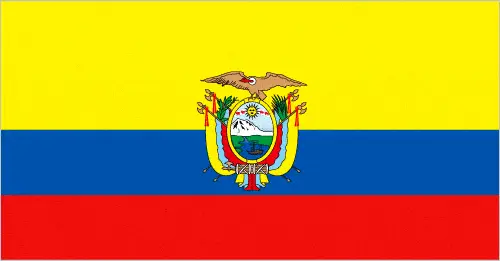 Ecuador — Key Facts Ecuador — Key Facts |
|
|---|---|
| Capital | Quito (2,850 m altitude) |
| Largest City | Guayaquil (port & commercial hub) |
| Driving Side | RIGHT |
| Vehicle Position | Left-Hand Drive (LHD) |
| Speed Expressway | 100 km/h |
| Speed National Highway | 90 km/h |
| Speed Urban | 50 km/h |
| Speed School Zone | 25 km/h |
| BAC Limit | 0.03% — effectively zero tolerance |
| Emergency Police | 911 |
| Emergency Ambulance | 911 |
| Tolls | YES — E35 & E15; ~US$0.50–2.00/booth; cash USD |
| Currency | US Dollar (USD) — since January 2000 |
| IDP | Recommended |
| Visitor Permit | Not required — home licence valid |
| Border Crossings | Colombia & Peru (4 official crossings) |
Ecuador is a South American nation straddling the equator in the northwestern part of the continent, bordered by Colombia to the north and Peru to the south and east, with a stunning coastline along the Pacific Ocean to the west. The country spans three distinct geographic regions: the Sierra (Andes Mountains), the Costa (Pacific Coastal Plain), and the Oriente (Amazon Basin) — each offering unique driving experiences and landscapes. For international visitors and road-tripping adventurers, Ecuador presents an exceptionally well-developed road network relative to the region, with the legendary Avenue of Volcanoes (the E35 Pan-American Highway running north-south through the Andes) providing access to some of the world’s most dramatic mountain scenery.
One of Ecuador’s greatest conveniences for international travelers is its adoption of the United States dollar (USD) as the official currency since January 2000. This eliminates exchange rate complications and allows American and foreign visitors accustomed to USD-denominated transactions to navigate the country with ease. Fuel costs are among the lowest in South America due to Ecuador’s status as an oil-producing nation, with petrol typically ranging from US$2.20–2.40 per gallon for regular (Extra) grade and US$3.00–3.20 per gallon for premium (Super) grade. However, Ecuador enforces one of the strictest blood alcohol content (BAC) limits in the Western Hemisphere at just 0.03% — a level so strict it effectively constitutes zero tolerance for alcohol before driving. This is a critical distinction for visitors: do not consume any alcohol if you plan to drive in Ecuador. Even minimal alcohol consumption can exceed this threshold and result in severe legal penalties.
Quito, the capital city, sits at an extraordinary altitude of 2,850 meters (9,350 feet) above sea level, making it one of the highest capital cities in the world. This altitude has significant implications for driving, engine performance, and driver alertness — a topic covered in detail in this guide. Guayaquil, Ecuador’s largest city and primary commercial and port hub, is located at sea level and serves as the country’s economic engine. The driving environment in Ecuador ranges from modern, well-maintained highways in the Sierra region to coastal routes and challenging Amazon roads. Visitors should expect encounters with police checkpoints, understand Ecuador’s mandatory third-party insurance (SOAT) requirements, and plan accordingly for the toll roads that service the country’s primary intercity routes.
This Ecuador Google Map provides an interactive overview of the country’s road network, the Avenue of Volcanoes, and driving routes across all three regions.
Use the interactive map above to explore Ecuador’s road network, Andes highways, Pacific coast, and Amazon region.
Road Network and Infrastructure
Ecuador’s road network comprises approximately 43,000 kilometers of roads connecting the country’s three distinct geographic regions. The backbone of Ecuador’s transportation infrastructure is the E35 Pan-American Highway (also called the Troncal Sierra or Sierra highway), which runs north-south through the Andes Mountains from the Colombian border near Ipiales to the Peruvian border, passing through the major highland cities of Quito, Latacunga, Ambato, Riobamba, and Cuenca. This iconic route covers approximately 560 kilometers from Quito southward and is renowned for its mountain scenery and dramatic elevation changes.
The E15 Pan-Pacific Highway (Troncal Pacífica) runs parallel to the E35 along Ecuador’s western Pacific coast, connecting the port city of Manta in the north to the coastal regions and eventually merging with the E35 corridor near the Peruvian border. The E25 connector route links Guayaquil to Riobamba, providing an alternative inland route from the coast to the highlands. The E45 Troncal Amazónica extends from Quito eastward through the Andes escarpment into the Amazon Basin (Oriente region), passing through Papallacta and descending toward the river towns of Tena and Puyo.
Road surface quality in Ecuador varies considerably by region. The E35 Pan-American Highway through the Sierra is generally well-maintained, featuring modern asphalt surfaces and modern engineering suitable for the challenging alpine terrain. The coastal E15 route is also in good condition throughout most of its length. However, roads in the remote Amazon (Oriente) region may be subject to seasonal flooding and poor maintenance, particularly during the rainy season (May-July and November-January). Secondary and tertiary roads in rural areas may be unpaved or poorly maintained.
The Galápagos Islands, while technically part of Ecuador, present a unique driving situation: these isolated Pacific islands have minimal public roads and motor vehicle use is highly restricted. Exploration of the Galápagos is conducted primarily by boat and on foot with licensed tour guides. The major airports serving Ecuador are Mariscal Sucre International Airport (UIO) in Quito, located 18 kilometers northeast of the city center, and José Joaquín de Olmedo International Airport (GYE) in Guayaquil.
The distance from Quito to Guayaquil via the E35+E25 highland-to-coast route is approximately 445 kilometers and takes 6-7 hours of driving time. The alternative coastal route via the E15 is approximately 470 kilometers and requires similar driving time. Both routes are well-traveled and suitable for international visitors with standard vehicles, though the mountain route offers dramatically different scenery and experiences.
Speed Limits and Traffic Enforcement
Ecuador enforces four main speed limit categories across different road types and zones:
| Road Type | Speed Limit |
|---|---|
| Expressway / Autopista (E35, E15) | 100 km/h |
| National Highway | 90 km/h |
| Urban / City Areas | 50 km/h |
| School Zones | 25 km/h |
Speed enforcement in Ecuador is conducted by the Comisión Nacional de Estacionamientos (CONAEP) and the Agencia Nacional de Tránsito (ANT) through a combination of traffic police presence and speed cameras. Speed cameras are installed at strategic locations on major highways, particularly along the E35 in the Sierra region. These cameras are typically signed in advance, though drivers should anticipate enforcement at any point. Speeding fines are issued immediately and must be paid on the spot to traffic officers.
In Quito specifically, drivers must also be aware of the Pico y Placa vehicle circulation restriction, which prohibits certain vehicles from operating during peak traffic hours based on their license plate number. This restriction operates weekdays from 07:00–09:30 and 16:00–19:30. The restricted day depends on the last digit of the vehicle’s license plate. Rental cars are subject to this restriction, so visitors renting vehicles in Quito should verify their plate’s restricted day and plan accordingly or use alternative transportation during restricted hours.
Toll Roads and Highway Costs
Ecuador operates a toll road system on its primary expressway routes, and toll payments are mandatory for vehicle passage. Toll roads are present on both the E35 Pan-American Highway (Sierra corridor) and the E15 Pacific coastal highway. Travelers should anticipate paying tolls frequently when driving between major cities.
Toll Plaza Operations: Ecuador’s toll system operates with staffed toll booths at each plaza. Payment is accepted in cash only, and the currency accepted is exclusively US dollars (USD) — credit cards and electronic payment systems are not widely available at most toll plazas. Drivers should carry sufficient small USD bills and coins to avoid needing change from toll operators. Individual toll booths typically cost between approximately US$0.50 and US$2.00, depending on the location and distance covered by that segment of highway.
The route from Quito to Riobamba (approximately 260 kilometers via the E35) involves approximately 6–8 toll booths and costs roughly US$5–8 in total tolls. The longer route from Quito to Cuenca (approximately 470 kilometers via E35+E25) involves approximately 10–12 toll booths and costs roughly US$10–15 in total tolls. Coastal routes via the E15 also feature toll plazas at regular intervals.
Toll booth layouts feature separate queues for passenger vehicles and large trucks. As a standard vehicle driver, proceed to the passenger vehicle lane. Toll plazas are signposted in advance with distance markers indicating “Peaje próximo” (toll approaching). During peak travel periods, toll plazas can experience congestion, though they generally process vehicles efficiently. Electronic toll collection systems (TAG systems) are not yet widely implemented in Ecuador, so expect to stop at every toll plaza.
Road Rules and Traffic Regulations
Driving in Ecuador follows left-hand traffic patterns common throughout most of South America — keep to the right side of the road and pass on the left. Ecuador uses metric measurements, so all speed limits, distances, and road signs are posted in kilometers per hour (km/h).
Alcohol and Driving — The 0.03% BAC Limit: Ecuador enforces one of the strictest blood alcohol content (BAC) limits in the Western Hemisphere at 0.03%. To put this in perspective, the legal limit in the United States is 0.08% BAC, meaning Ecuador’s limit is one-quarter as strict. The 0.03% limit is so stringent that it is effectively equivalent to zero tolerance for any alcohol consumption before driving. A single standard drink (12 ounces of beer, 5 ounces of wine, or 1.5 ounces of spirits) can raise BAC above the 0.03% threshold. Do not consume any alcohol if you intend to drive in Ecuador. Violations of this BAC limit result in severe penalties including substantial fines, vehicle impoundment, and potential criminal charges. Breath testing is conducted at police checkpoints, which are common throughout the country.
Seatbelts and Safety Equipment: All occupants of a vehicle, including front and rear passengers, must wear seatbelts at all times. Seatbelt use is mandatory and enforced. Headlights must be turned on when driving on intercity routes (outside urban areas), even during daylight hours. This is a standard safety requirement and is commonly observed throughout Ecuador’s highways.
Mobile Phone Use: Handheld mobile phone use while driving is prohibited. Drivers must use hands-free devices if they need to make or receive calls while the vehicle is in motion.
SOAT Insurance: Third-party liability insurance (SOAT — Seguro Obligatorio de Accidentes de Tránsito) is mandatory for all vehicles operating in Ecuador. Rental vehicles automatically include SOAT in their rental agreement, but if you are importing or borrowing a private vehicle, you must obtain SOAT coverage before driving. Police checkpoints will verify SOAT status, and driving without valid SOAT results in fines and possible vehicle impoundment.
Police Checkpoints: Police checkpoints (retenes) are common along major highways and at the entrances to major cities. At checkpoints, officers will request your driving license, vehicle registration, SOAT insurance documentation, and passport. Have all documents organized and readily accessible. Traffic police are generally professional but may conduct vehicle searches for contraband or safety violations. Remain calm and cooperative at all checkpoints.
Intersection Rules and Roundabouts: At unmarked intersections without traffic signals, the rule is “priority derecha” — vehicles have the right of way if approaching from the right. At roundabouts (rotondas), yield to traffic already in the roundabout (vehicles approaching from your left). Proceed counterclockwise around the roundabout.
Prohibited Maneuvers: U-turns at intersections are prohibited unless explicitly signed to permit them. Right turns on red lights are generally not permitted unless a specific sign indicates they are allowed.
Altitude and Driver Alertness: Ecuador’s mountain roads place drivers at high elevations where altitude effects become noticeable. The combination of high altitude and mountain driving demands increased alertness and may cause fatigue more quickly than driving at sea level. Take frequent breaks, maintain adequate hydration, and avoid driving during peak fatigue periods (late night/early morning).
Fuel and Petrol Stations
Ecuador’s fuel market is dominated by PETROECUADOR, the state-owned petroleum company. Retail fuel distribution is handled through branded stations including Primax, Terpel, Gulf, and direct PETROECUADOR locations. Petrol stations are abundant along the E35 and E15 highways but become less frequent in remote highland and Amazon regions.
Fuel Types and Pricing: Ecuador offers several fuel grades:
- Extra (87 octane) — Regular gasoline; approximately US$2.20–2.40 per gallon
- Super (92 octane) — Premium gasoline; approximately US$3.00–3.20 per gallon
- Ecopaís — Biofuel-blend gasoline (95% gasoline + 5% ethanol)
- Diesel — Heavily subsidized; approximately US$1.10–1.40 per gallon
Ecuador is an oil-producing nation with significant reserves in the Amazon (Oriente region). Consequently, fuel prices are heavily subsidized by the government and among the lowest in South America. This makes Ecuador an extremely economical country for road travel compared to neighboring Peru, Colombia, or Chile.
Payment: All fuel stations accept US dollars (USD) cash. Most stations also accept major credit cards (Visa, Mastercard), though it is advisable to carry cash as backup, particularly in rural areas. Fuel pumps typically display the price per liter (not gallon), so be mindful of conversion when estimating costs.
Station Availability: Petrol stations are reliably spaced along the E35 Pan-American Highway and E15 coastal route, typically every 20–40 kilometers. In the Amazon (E45 Oriente route) and remote highland areas, stations may be more widely spaced, so plan fuel stops accordingly. It is prudent to refuel when passing through major towns rather than gambling on finding fuel further ahead on remote routes.
Altitude Driving in the Sierra
Ecuador’s Sierra (Andes) region presents unique driving challenges due to extreme altitude. Understanding and preparing for these altitude effects is essential for safe and comfortable driving in Ecuador’s mountain regions.
Altitude Overview: Quito, Ecuador’s capital, sits at 2,850 meters (9,350 feet) above sea level, making it one of the highest capital cities in the world. Many driving routes in the Sierra region exceed 3,000 meters in elevation. The highest paved altitude on Ecuador’s road network is Paso de Papallacta on the E45 route, which reaches 4,064 meters (13,330 feet). The area around Chimborazo National Park, accessible by a park road from Riobamba, reaches elevations exceeding 4,500 meters.
Altitude Sickness (Soroche): Travelers ascending rapidly to high altitude may experience altitude sickness (soroche in Spanish), caused by reduced oxygen availability at elevation. Symptoms include headache, fatigue, shortness of breath, nausea, and dizziness. These symptoms can impair driving ability and alertness. To minimize altitude sickness risk:
- Acclimatize gradually: Plan to spend 1–2 full days in Quito or another highland city before embarking on high-altitude mountain driving. This allows your body to adjust to lower oxygen levels.
- Stay hydrated: Drink water continuously throughout the day. Dehydration worsens altitude symptoms.
- Avoid heavy meals and alcohol: Large meals and alcohol intensify altitude sickness. Eat light, balanced meals and completely avoid alcohol.
- Rest adequately: Ensure sufficient sleep the night before high-altitude driving.
- Consider medication: Some travelers use acetazolamide (Diamox) as a preventive medication. Consult a travel medicine physician before your trip to determine if this medication is appropriate for you.
Vehicle Performance at Altitude: Engine performance is reduced at altitude due to lower oxygen density. Vehicles produce less horsepower and torque at 3,000+ meters compared to sea level performance. This is noticeable when accelerating, climbing grades, or passing other vehicles. Drivers should anticipate needing longer distances for passing maneuvers and avoid aggressive acceleration. Turbo-diesel vehicles perform somewhat better than naturally aspirated gasoline engines at altitude.
Brake and Tire Considerations: While brake fade is less of a concern at altitude (lower air density reduces aerodynamic heating), tire pressure may increase slightly in warm highland afternoons. Check tire pressure before beginning highland driving and be prepared to adjust if needed. Mountain roads feature steep grades and switchbacks — drive at reduced speeds, use lower gears, and avoid continuous heavy braking that could lead to overheating.
Mountain Driving Techniques: Ecuador’s mountain routes feature hairpin turns, steep grades, and narrow sections. Maintain a safe speed, use the horn when approaching blind curves (a standard practice in Ecuadorian mountain driving), and be prepared for oncoming traffic. Many mountain roads lack guard rails, so exercise extra caution near cliff edges.
Border Crossings to Colombia and Peru
Ecuador shares land borders with Colombia to the north and Peru to the south and southeast. There are four primary official border crossings available for vehicle travel.
Colombia Border Crossings:
1. Rumichaca/Ipiales Crossing (North — E35 Pan-American Highway) — This is Ecuador’s busiest Colombia border crossing, located approximately 210 kilometers north of Quito via the E35. The crossing point is at the Rumichaca Bridge spanning the Mira River. The town of Ipiales in Colombia is directly across the border, roughly 2 kilometers from Ecuador’s border post. This crossing operates 24 hours daily. Processing is generally straightforward: present your passport, vehicle registration, and proof of vehicle ownership at the Ecuador border post, then proceed to the Colombia post on the other side. Total crossing time typically ranges from 30 minutes to 2 hours depending on traffic volume. Currency exchange facilities, immigration services, and restaurants are available on both sides of the border.
2. San Miguel/Lago Agrio Crossing (East — E45 Oriente Route) — This crossing provides access from Ecuador’s Amazon region to southern Colombia. It is less trafficked than Rumichaca and may have limited services. Vehicle crossing procedures are similar to Rumichaca, but allow extra time for processing due to generally lower staff levels. This route is used primarily by travelers heading to Colombian Amazon destinations.
Peru Border Crossings:
1. Macará/La Tina Crossing (South Highland Route) — Located approximately 640 kilometers south of Quito via the E35, this is Ecuador’s second-busiest international crossing. The border town of Macará sits on the Ecuador side, with La Tina directly across in Peru. This crossing is used primarily by travelers heading to the Peruvian highlands and is open 24 hours. Processing is generally efficient.
2. Huaquillas/Aguas Verdes Crossing (Coastal Route — E15) — Located approximately 450 kilometers south of Guayaquil via the E15 coastal highway, this is Ecuador’s busiest Peru-Ecuador border. The crossing is positioned at the Zarumilla River. Both towns (Huaquillas, Ecuador; Aguas Verdes, Peru) are directly adjacent with minimal distance between border posts. This crossing operates 24 hours daily and can experience significant congestion, particularly during peak travel times. Allow 1–3 hours for processing depending on traffic.
Vehicle Documentation for Border Crossing: When crossing into Colombia or Peru with your vehicle, you will need:
- Vehicle registration (título de propiedad or similar)
- Proof of ownership or rental agreement
- Valid passport or national ID
- International Driving Permit (IDP — recommended)
- SOAT insurance valid in your originating country
Important Insurance Consideration: SOAT insurance is mandatory in Ecuador and is typically valid in Ecuador only. When crossing into Peru or Colombia, your Ecuador SOAT policy will no longer be valid in the destination country. You must obtain third-party liability insurance for the destination country before crossing the border. Insurance can be purchased at the border itself (insurance offices operate at major crossings) or beforehand if you plan ahead. The cost of short-term insurance for Peru or Colombia is typically US$20–50 depending on the vehicle and duration.
Vehicle Permits for Cross-Border Travel: Your vehicle registration (título) serves as your vehicle’s identity document at the border, similar to a passport for the vehicle. Rental vehicles may have restrictions on cross-border use — verify with your rental agency before attempting to cross the border with a rental car. Some rental contracts prohibit international travel entirely.
Driving in Quito
Quito, Ecuador’s capital and second-largest city, sits at 2,850 meters elevation and presents a unique urban driving environment shaped by its geography, altitude, and historic character.
Historic Centre and UNESCO World Heritage Status: Quito’s historic centre was designated a UNESCO World Heritage Site in 1978, becoming the first UNESCO World Heritage Site designation in the Americas. The centro histórico features narrow colonial streets, steep grades, and challenging traffic conditions. The historic core was developed before the automobile era and is poorly suited for modern vehicle traffic. Streets in the historic centre are one-way, frequently congested, and difficult to navigate without advance knowledge. If you are unfamiliar with Quito, avoid driving in the historic centre, particularly during daytime hours (07:00–19:30). If you must transit the centre, travel on foot or use taxi services.
Pico y Placa Vehicle Circulation Restriction: Quito enforces a vehicle circulation restriction called “Pico y Placa” (peak hour and plate), which prohibits certain vehicles from operating during peak traffic periods based on their license plate number. The restriction operates on weekdays (Monday–Friday) during two periods: 07:00–09:30 (morning rush hour) and 16:00–19:30 (evening rush hour). The restricted day for each vehicle is determined by the last digit of the license plate:
- Plate ending in 1–2: Monday restricted
- Plate ending in 3–4: Tuesday restricted
- Plate ending in 5–6: Wednesday restricted
- Plate ending in 7–8: Thursday restricted
- Plate ending in 9–0: Friday restricted
Rental cars in Quito are subject to Pico y Placa restrictions. Rental agencies will inform you of the restriction day for your vehicle. Plan your movements to avoid operating the rental car during restricted hours on its restricted day, or plan alternative transportation (taxi, Uber, public transit) for those hours. Violations result in fines of approximately US$130–260.
Quito Street Layout and Navigation: Quito is built in a north-south valley, with major arterial roads running primarily north-south. Key routes include:
- Av. Occidental and Av. Simón Bolívar — Western and eastern bypass routes that allow circumnavigation of the city without entering the congested centre
- Tunnel system — Modern tunnels provide access through the city for through-traffic
- Cumbayá/Los Chillos — Suburban areas to the east accessed via major cross-town arteries
For through-traffic or visiting locations outside the historic centre, use GPS navigation (Google Maps, Waze) to avoid the congested historic core. Modern navigation apps are reliable in Quito and provide real-time traffic updates.
Mariscal Sucre International Airport (UIO): Quito’s international airport is located approximately 18 kilometers northeast of the city centre at 2,850 meters elevation (matching the city’s altitude). The airport is accessible via a modern ring road (Av. Mariscal Sucre) that bypasses the city centre. From the airport, heading west toward the city centre, follow signs for “Centro” or enter the ring road and navigate toward your destination using GPS.
Additional Quito Attractions for Drivers: The Teleférico (cable car) system in Quito provides access to a high-altitude viewpoint at 4,050 meters. The starting station is located in the city’s Mariscal district (a modern commercial area north of the historic centre). The Mitad del Mundo (Middle of the World) GPS monument, located approximately 22 kilometers north of Quito’s centre, marks the equator and is accessible via a paved road. The site features a museum, monument, and various attractions.
The Avenue of Volcanoes — E35 Road Trip
The Avenue of Volcanoes (Avenida de los Volcanes in Spanish) is one of South America’s most spectacular road trips, traversing Ecuador’s Sierra region along the E35 Pan-American Highway between Quito and Riobamba — a distance of approximately 260 kilometers. This legendary route runs through a corridor of towering volcanic peaks, providing access to Ecuador’s highest mountains and most dramatic scenery.
Route Overview: Departing Quito heading south on the E35, the avenue of volcanoes route ascends gradually into the alpine zone, passing through the small cities of Latacunga and Ambato before reaching Riobamba. The entire drive typically requires 4–5 hours depending on stops and elevation changes. However, most travelers budget a full day or more to accommodate scenic stops, hiking, and exploration of roadside attractions.
Cotopaxi National Park: Approximately 90 kilometers south of Quito, a signed exit from the E35 leads to Cotopaxi National Park. Cotopaxi volcano stands at 5,897 meters (19,347 feet) and is the world’s highest active volcano (the last eruption occurred in 2015). The park entrance provides access to hiking trails, visitor facilities, and high-altitude scenic viewpoints. A rough road within the park reaches the José Rivas refuge at 4,800 meters, but this section is impassable to standard vehicles and requires 4WD. Day visits to the park are possible from the E35, and the park features basic lodging and camping facilities for overnight stays.
Latacunga: This colonial town of approximately 65,000 residents sits at 2,750 meters elevation and serves as the capital of Cotopaxi Province. The town features colonial architecture, markets, and restaurants. Latacunga is a convenient stop for fuel, food, or overnight accommodation when driving the avenue of volcanoes. The town is directly on the E35, making it impossible to miss.
Ambato: Further south, the city of Ambato (population approximately 165,000) sits at 2,570 meters elevation and is known as the “Garden City of Ecuador” due to its flower markets and agricultural production. Ambato serves as another major stopover point on the avenue of volcanoes route, offering restaurants, hotels, and fuel.
Baños de Agua Santa and the Route of Waterfalls: From Ambato or Latacunga, a side trip to the town of Baños de Agua Santa is highly recommended. Baños sits at 1,800 meters in a lush canyon environment and is famous for its natural hot springs (baños), dramatic waterfalls, and adventure sports (rafting, zip-lining, hiking). From Baños, the Ruta de las Cascadas (Route of the Waterfalls) is a spectacular 60-kilometer road descending through cloud forest with views of numerous waterfalls and providing an alternative scenic route toward the coast and Riobamba. This side trip requires an additional 1–2 days of driving but offers some of Ecuador’s most lush and dramatic scenery.
Riobamba: At the southern end of the avenue of volcanoes corridor, Riobamba (population approximately 150,000) sits at 2,754 meters elevation. Riobamba serves as the jumping-off point for climbing expeditions to Chimborazo, Ecuador’s highest peak. The town offers hotels, restaurants, and guide services for climbers and trekkers.
Chimborazo National Reserve: Ecuador’s highest mountain, Chimborazo, stands at 6,268 meters (20,564 feet) above sea level. Due to Earth’s equatorial bulge, Chimborazo’s summit is actually the farthest point from Earth’s center, despite being slightly lower than Mount Everest. A park road from Riobamba (approximately 70 kilometers by road) provides access to the Chimborazo Reserve and high-altitude viewpoints exceeding 4,000 meters. The summit is accessible only by mountaineering, but the approach roads offer extraordinary high-altitude scenery and views of glaciated peaks.
Driving Conditions on the Avenue of Volcanoes: The E35 through the avenue of volcanoes corridor features excellent road surface and modern engineering suitable for the challenging alpine terrain. However, drivers should anticipate:
- Altitude effects (see altitude driving section above)
- Steep grades and hairpin curves
- Frequent weather changes (rain, fog, sudden cloud cover)
- Reduced visibility in cloud/fog — use headlights and drive at reduced speeds
- High-altitude wind gusts on exposed sections
- Variable road surface due to volcanic ash and seasonal weather
The route is generally safe for well-maintained vehicles and alert drivers. However, this is serious mountain driving, not casual sightseeing — treat it with appropriate respect and attention.
Scenic Routes and Regional Destinations
Beyond the avenue of volcanoes, Ecuador offers numerous scenic routes and regional destinations accessible by road.
Otavalo and the Indigenous Markets: Located approximately 100 kilometers north of Quito via the E35, the town of Otavalo is famous for its Saturday indigenous market, one of South America’s largest native textile markets. The drive from Quito takes 2–2.5 hours and passes through picturesque highland valleys. Otavalo itself is a charming town with colonial architecture, local restaurants, and artisan shops. The market attracts both tourists and locals and operates primarily on Saturday mornings and early afternoons, though vendors remain present on other days.
Quilotoa Crater Lake: One of Ecuador’s most spectacular and accessible high-altitude scenic drives leads to Quilotoa crater lake, which sits at 3,910 meters elevation. Quilotoa is a crater lake filling a collapsed volcanic crater with brilliant turquoise water surrounded by steep crater walls — it is visually stunning and one of Ecuador’s most iconic natural attractions. Access is via a winding, unpaved mountain road from the town of Latacunga or Pujilí (both on or near the E35). The final section of road is rough and rutted, requiring high-clearance or 4WD vehicles. The drive from Latacunga to the Quilotoa viewpoint takes approximately 2 hours via unpaved roads. This is one of Ecuador’s most spectacular drives, though the rough final section demands careful driving. The crater lake itself is accessible via short hiking trails descending into the crater.
Cuenca and the Southern Highlands: Ecuador’s third-largest city, Cuenca, sits at 2,560 meters elevation approximately 470 kilometers south of Quito. Cuenca is a UNESCO World Heritage Site (designated 1999) featuring well-preserved colonial architecture, cobblestone streets, and a pleasant pedestrian-friendly downtown. The drive from Quito to Cuenca via the E35+E25 connector takes approximately 8–9 hours of driving time. Many travelers budget 2–3 days for this journey to enjoy stops at points of interest along the way (Cotopaxi, avenue of volcanoes, Baños, etc.). Cuenca offers excellent hotels, restaurants, museums, and cultural attractions. The city is a popular destination for expats and tourists seeking colonial character and cultural immersion.
Ingapirca Pre-Columbian Ruins: Located approximately 80 kilometers north of Cuenca via a scenic mountain road, the Ingapirca archaeological site features pre-Columbian Inca ruins and is Ecuador’s most significant pre-Columbian archaeological site. A paved road leads to the site, and the drive through the Andean landscape offers beautiful scenery. The site includes a museum and guided tour facilities.
Pacific Coast — Ruta del Spondylus: Ecuador’s Pacific coastal highway (E15) connects numerous coastal towns and beaches. The Ruta del Spondylus (Spondylus Route), named after a pre-Columbian ceremonial shell, extends along the northern coast from Puerto López to Esmeraldas. This scenic coastal drive passes through various beach towns and provides access to Ecuador’s primary Pacific beaches.
Montañita Surf Village: Located approximately 180 kilometers south of Guayaquil via the E15 coastal highway, Montañita is a laid-back beach town famous for year-round surfing. The town has a bohemian atmosphere with beachfront restaurants, bars, and accommodations. The drive from Guayaquil takes approximately 3.5–4 hours via the coastal highway.
Puerto López and Whale Watching: The coastal town of Puerto López sits approximately 300 kilometers southwest of Guayaquil and serves as the departure point for whale watching tours. Humpback whales migrate to Ecuador’s coastal waters from June through September, making this an excellent seasonal destination. The town itself features fishing docks, restaurants, and marine tour operators.
Manta and Real Panama Hats: The coastal city of Manta serves as Ecuador’s second-largest port and commercial hub after Guayaquil. Nearby Montecristi is famous for the production of authentic Panama hats (despite the name, genuine Panama hats are made in Ecuador). Both towns are accessible via the E15 coastal highway and offer coastal attractions, restaurants, and markets.
Amazon Region — The Oriente: Ecuador’s Amazon region (Oriente in Spanish) occupies the eastern slope of the Andes and the lowland Amazon Basin. Access from Quito is via the E45 highway, which features the spectacular Paso de Papallacta at 4,064 meters, the highest paved road pass in Ecuador’s road network. Descending from Papallacta, the E45 enters cloud forest and eventually reaches the river towns of Tena and Puyo, which serve as bases for jungle exploration, rafting, and lodge-based Amazon experiences. Further east, the frontier town of Coca (also called Puerto Francisco de Orellana) sits on the Napo River and serves as the gateway to remote Ecuador-Peru Amazon border regions.
Papallacta Hot Springs: Located approximately 64 kilometers from Quito via the E45 mountain road, the Papallacta hot springs provide natural thermal pools surrounded by cloud forest. The drive ascends to approximately 3,700 meters elevation and features spectacular mountain and cloud forest scenery. Several eco-lodges and simple hostels near Papallacta offer access to the springs.
Frequently Asked Questions
What is Ecuador’s BAC (blood alcohol content) drink-driving limit, and why is it so strict?
Ecuador’s legal BAC limit is 0.03%, making it one of the strictest in the Western Hemisphere. To put this in perspective, the legal limit in the United States is 0.08% BAC, meaning Ecuador’s limit is one-quarter as strict. The 0.03% limit is effectively equivalent to zero tolerance for any alcohol consumption before driving — a single standard drink can exceed this threshold. This stringent limit reflects Ecuador’s commitment to road safety and results in severe penalties for violations, including substantial fines, vehicle impoundment, and potential criminal charges. Do not consume any alcohol if you intend to drive in Ecuador. This is one of Ecuador’s most critical traffic regulations and is consistently enforced at police checkpoints throughout the country.
Does Ecuador use US dollars, and is exchange a problem for foreign travelers?
Yes, Ecuador has used the US dollar (USD) as its official currency since January 2000 (dollarisation). All prices are listed in USD, and USD cash is the standard medium of exchange. This eliminates exchange rate complications for American travelers and makes the country exceptionally convenient for international visitors. ATMs in major cities dispense USD. Credit card acceptance is generally good in urban areas and tourist zones, though rural areas often require cash. Travelers should carry sufficient USD cash for toll roads (which accept cash only), fuel, and rural destinations. The lack of exchange rate fluctuations makes Ecuador predictable for travel budgeting.
How does altitude affect driving in Ecuador, and how can I prepare for high-altitude mountain driving?
Ecuador’s mountain roads reach elevations exceeding 4,000 meters, where altitude effects become noticeable. Altitude sickness (soroche) can cause headache, fatigue, shortness of breath, and nausea — all of which impair driving ability and alertness. Engine performance is also reduced at altitude due to lower oxygen density, resulting in less horsepower and longer acceleration times. To prepare for altitude driving: (1) acclimatize gradually by spending 1–2 full days in Quito or another highland city before high-altitude driving; (2) stay continuously hydrated with water; (3) avoid heavy meals and alcohol; (4) ensure adequate sleep; and (5) consider consulting a travel medicine physician about preventive medication (acetazolamide/Diamox). During driving, anticipate longer passing distances, use lower gears for grades, and avoid aggressive acceleration. Tire pressure may increase slightly at altitude — check before beginning highland driving.
Do I need a 4WD (four-wheel-drive) vehicle to visit the Quilotoa crater lake or other remote areas?
Access to Quilotoa crater lake requires driving on a rough, unpaved mountain road from Latacunga or Pujilí. The final section of this road is rutted and requires high-clearance or 4WD vehicles. Standard passenger cars with low ground clearance may experience damage or become stuck on this final section. If you are renting a vehicle, inquire whether it is suitable for unpaved roads. Many popular destinations (avenue of volcanoes, Cuenca, coastal routes) are accessible via paved highways suitable for standard vehicles. However, if your interests include remote mountain lakes (Quilotoa) or rough mountain passes, upgrading to a high-clearance or 4WD rental may be prudent. Alternatively, organized tours to Quilotoa are available from Quito or Latacunga, eliminating the need for personal vehicle expertise on rough roads.
How do I cross the border to Colombia or Peru by car, and what documentation do I need?
Ecuador shares borders with Colombia (north) and Peru (south), with four official vehicle crossing points. The main Colombia crossing is Rumichaca/Ipiales (E35 north of Quito, 210 km from city); the main Peru crossing is Huaquillas/Aguas Verdes (E15 coastal, 450 km south of Guayaquil). At any crossing, present your passport, vehicle registration (título), proof of ownership/rental agreement, and international driving permit (IDP). Processing typically takes 30 minutes to 2 hours. Critical: Your Ecuador SOAT insurance is valid in Ecuador only. You must obtain third-party liability insurance for Peru or Colombia before crossing the border — insurance offices operate at border crossings. Short-term insurance costs US$20–50. Some rental cars may have restrictions on cross-border travel — verify with your rental agency before attempting a border crossing. Vehicle permits (títulos) serve as identity documents for vehicles at borders, similar to passports for people.
What is the best road trip route to experience Ecuador’s highlights?
A comprehensive Ecuador road trip typically follows this sequence: (1) Arrive in Quito, acclimatize for 1–2 days; (2) Drive the avenue of volcanoes south via E35, exploring Cotopaxi National Park, Latacunga, and Baños side trip; (3) Continue south to Riobamba and Chimborazo National Reserve; (4) Drive to Cuenca (UNESCO colonial city) via E35+E25, allowing 2–3 days; (5) Return north via E35 or explore the Amazon (E45 to Tena/Papallacta); (6) Optionally, explore the Pacific coast (E15) and coastal towns (Montañita, Puerto López, Manta). This itinerary typically requires 10–14 days to execute without rushing and covers Ecuador’s three geographic regions (Sierra, Costa, Oriente), primary cultural and natural attractions, and offers diverse road experiences ranging from high-altitude mountain driving to coastal routes and cloud forest passages.
Sources and References
This Ecuador driving guide is compiled from current information on Ecuador’s road network, traffic regulations, and driving conditions. Key sources include Ecuador’s Agencia Nacional de Tránsito (ANT — National Transit Agency), PETROECUADOR fuel company, tourism information from Ecuador’s Ministry of Tourism, and driving reports from international travelers and professional driving services operating in Ecuador. Road conditions, fuel prices, toll rates, and traffic regulations are subject to change; travelers are advised to verify current conditions through official Ecuador government sources and rental car agencies before traveling.
For real-time traffic information and route planning, Google Maps and Waze are reliable navigation tools with current Ecuador road data. International driving permits can be obtained through AAA (United States), CAA (Canada), or equivalent motoring organizations in other countries. Travel insurance including vehicle coverage is strongly recommended for all international travelers driving in Ecuador.