
Driving Directions and Google Map of Paraguay — Roads, Routes & Navigation Guide
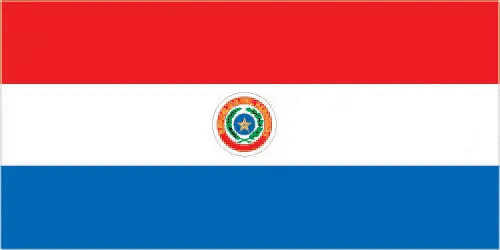 Paraguay — Key Facts Paraguay — Key Facts |
|
|---|---|
| Capital | Asunción |
| Largest City | Asunción |
| Drives | RIGHT (LHD) |
| Currency | Paraguayan Guaraní (PYG / ₲) ~ 7,300–7,500 per USD |
| Emergency | 911 (unified), 441-4444 (Asunción police), 132 (fire) |
| BAC Limit | 0.00% — ZERO TOLERANCE |
| IDP | Recommended; MERCOSUR agreement recognized |
| Toll Roads | YES — National highways; PYG 5,000–15,000/booth |
Paraguay is one of South America’s most unique and least explored countries—a landlocked nation of approximately 7 million people, divided by the mighty Río Paraguay into two distinct regions with vastly different characters. The Oriental (Eastern Region), east of the river, is the heartland of Paraguay: densely populated, agriculturally productive, home to Asunción and the major cities, and the center of the country’s economy and infrastructure. The Occidental (Chaco), west of the river, is a vast semi-arid to subtropical dry forest, extremely sparsely populated, brutally hot, and largely untouched wilderness. For travelers and drivers, Paraguay offers an authentic, less-touristed experience compared to its neighbors Argentina, Brazil, and Bolivia, combined with fascinating border-region dynamics, world-class engineering (Itaipú Dam), and an adventure-focused road trip experience.
Driving in Paraguay is generally straightforward for visitors with valid international licenses, though the road network is less developed and more variable in quality than in Argentina or Chile. The country drives on the right side of the road with standard traffic signs and regulations. The road network comprises approximately 80,000 kilometers of roads, with major highways connecting Asunción to Ciudad del Este (Ruta 2, the primary international commercial route to Brazil), Encarnación to the Argentine border (Ruta 1), and the famous Trans-Chaco Highway (Ruta 9) crossing the vast Chaco to Bolivia. What makes Paraguay distinctive for travelers is its geographic position at the triple border where Brazil, Paraguay, and Argentina meet (Ciudad del Este), its world-famous Itaipú hydroelectric dam shared with Brazil, and its reputation as a frontier region with unique driving challenges and rewards.
This comprehensive guide covers everything needed for driving safely through Paraguay: road conditions and the national highway network, speed limits and strict zero-tolerance alcohol regulations, toll systems on major highways, practical information for different regions (from urban Asunción to the remote Chaco wilderness), key destinations including Ciudad del Este and the Jesuit missions, border crossings to Brazil and Argentina, and essential tips for navigating this underrated South American destination. Whether you’re exploring the Misiones Jesuitas UNESCO World Heritage sites, visiting the Itaipú Dam, crossing into Brazil at Ciudad del Este, or braving the Trans-Chaco Highway to Bolivia, this guide will help you drive through Paraguay with confidence and knowledge.
Road Network and Infrastructure
Paraguay’s road network comprises approximately 80,000 kilometers of roads connecting the country’s major cities and regions. Unlike its larger neighbors Argentina and Brazil, Paraguay’s infrastructure is less extensive and more variable in quality. The network is organized into national highways (rutas nacionales), secondary roads, and local routes. The main transportation spine consists of three principal highways emanating from or passing through Asunción:
- Ruta 1 (Ruta Nacional 1): Connects Asunción to the south-southeast, terminating at Encarnación on the Argentine border. This is a well-maintained highway passing through agricultural regions and Jesuit mission UNESCO World Heritage sites. Distance: ~400 km from Asunción to Encarnación.
- Ruta 2 (Ruta Nacional 2): The busiest highway in Paraguay, connecting Asunción northeastward to Ciudad del Este (350 km), which sits at the triple border with Brazil and Argentina. This is the primary commercial and tourism route.
- Ruta 9 (Ruta Nacional 9, Trans-Chaco Highway): The most famous and challenging highway, extending from Asunción westward across the vast Chaco semi-desert to Bolivia (700+ km). This is a frontier road with variable conditions, largely unpaved or poorly paved, extremely hot, and passing through sparsely populated wilderness.
Road conditions on major highways (Ruta 1 and Ruta 2) are generally good to acceptable, with paved surfaces and reasonable maintenance. However, secondary roads and rural routes may be unpaved or in poor condition, particularly after heavy rains. The Chaco region (Ruta 9) presents the most challenging conditions: unpaved sections, extreme heat, limited services, and isolation. Urban roads in Asunción and major cities are paved and reasonably maintained, though traffic congestion in downtown areas can be significant.
Speed Limits
Paraguay enforces speed limits on major highways and in urban areas, with penalties for violations. The national speed limits are:
| Road Type | Speed Limit | Details |
|---|---|---|
| Highway (Ruta nacional) | 110 km/h | Primary national highways (Ruta 1, Ruta 2, Ruta 9) |
| Secondary / National Roads | 80 km/h | Secondary highways and regional roads |
| Urban Areas | 40 km/h | Standard city driving; may vary by zone |
| School Zones | 20 km/h | Strictly enforced near schools |
Speed enforcement in Paraguay is less rigorous than in neighboring countries but enforcement does occur, particularly on the Ruta 2 between Asunción and Ciudad del Este. Fines for speeding violations range from PYG 500,000–2,000,000 depending on severity. The Policía Nacional de Tránsito (National Traffic Police) conduct enforcement operations, especially on major highways. Avoid speeding on the Ruta 2 and Ruta 1, particularly in construction zones or near towns.
Toll Roads
Paraguay maintains a toll system on major national highways, primarily on the Ruta 1 and Ruta 2. Toll booths (peajes) are operated by the government and accept cash in Paraguayan Guaraní. Unlike the sophisticated electronic systems in Argentina or Chile, Paraguay’s tolls are traditional booth-based collection.
Toll Booth Details
- Payment method: Cash only (Paraguayan Guaraní) at most booths. Some booths may accept debit/credit cards, but this cannot be assumed; always carry cash.
- Cost: Tolls range from PYG 5,000–15,000 per booth depending on distance and location. A full journey from Asunción to Ciudad del Este (350 km) would involve 3–5 toll booths totaling approximately PYG 40,000–70,000 (USD 5–9).
- Toll plazas: Clearly marked; approach slowly and follow signage to the correct lane.
- Ruta 2 (Asunción–Ciudad del Este): This busiest highway has frequent toll booths; budget for 4–5 toll payments.
- Ruta 1 (Asunción–Encarnación): Less frequently tolled than Ruta 2; expect 2–3 toll booth payments on a full journey.
- Ruta 9 (Trans-Chaco): Generally not tolled; this remote highway is less monitored.
Payment Tips
Always carry sufficient cash in Paraguayan Guaraní for toll payments. While ATMs are available in larger towns and cities, they may be non-functional in remote areas. Plan cash withdrawals carefully, especially before departing on long highway journeys. Exchanging USD to Guaraní can be done at banks in Asunción, Ciudad del Este, and major cities; exchange rates in rural areas are poor.
Road Rules and Traffic Regulations
Paraguay follows standard international driving conventions, though enforcement can be variable and traffic behavior in urban areas can be chaotic. All drivers must comply with the following key regulations:
License and Documentation
- Home country driving license is valid for tourists; an International Driving Permit (IDP) is recommended
- MERCOSUR Driving Licence Agreement: Drivers from Argentina, Brazil, Uruguay, Chile, Bolivia, and Venezuela are recognized under a regional accord and may drive with their home licenses
- Vehicle registration (from rental company) must be carried at all times
- Proof of insurance is required; rental companies provide this automatically
- Passport or national identity card is required for vehicle checks
Alcohol and Sobriety — ZERO TOLERANCE
Paraguay has one of the world’s strictest blood alcohol content (BAC) regulations:
- BAC limit: 0.00% — ABSOLUTE ZERO TOLERANCE for all drivers
- Any detectable alcohol results in: Immediate license suspension, heavy fines (PYG 1,000,000+), potential vehicle impoundment, and possible jail time
- Breath testing: Police conduct sobriety checkpoints, especially on major highways and in Asunción. Refusal to test is illegal and results in immediate arrest and license suspension.
- This is non-negotiable: Do not consume any alcohol before or while driving in Paraguay. This is one of the world’s strictest regulations.
Seat Belts and Safety Equipment
- All occupants must wear seat belts at all times; driver is responsible for passenger compliance
- Children under 12 years require appropriate child restraints
- Motorcyclists and passengers must wear certified helmets
- High-visibility vests must be carried; worn if exiting vehicle on highways
- Vehicles must carry a warning triangle and first aid kit (rental companies provide these)
Other Key Rules
- Traffic lights and signs: Obey all traffic signals and road signs; violations are common enforcement targets
- Right of way: Vehicles on main roads have priority; yield at unmarked intersections to vehicles approaching from the right
- Parking: Park only in designated areas. Illegal parking results in ticketing or vehicle towing. Use paid parking lots (estacionamientos) in downtown Asunción.
- Cellular phones: Hands-free use only while driving; manual phone use is prohibited
- Headlights: Must be on during night driving; daytime headlights recommended on highways
- Lane discipline: Stay in the correct lane; overtaking must be signaled and is only permitted on clear stretches
Fuel and Petrol Stations
Fuel availability in Paraguay is generally adequate in populated areas but becomes limited in remote regions, particularly the Chaco. The country’s fuel prices are moderate compared to other South American nations.
Fuel Types and Cost
- Gasoline (Nafta): 95 octane (regular) and 97 octane (premium); most rental cars use 95 octane
- Diesel (Diésel): Available at major stations
- Average cost: Approximately PYG 8,000–10,000 per liter (USD 1.10–1.35), varying with international oil prices and location
Petrol Station Networks
Major petrol station chains in Paraguay include:
- Petropar (state-owned), Shell, Esso: The primary chains with widest distribution
- Independent stations: Common, especially in smaller towns
Payment and Hours
- Major chain stations accept credit cards and cash (Guaraní or USD)
- Independent and small-town stations often require cash only
- Most major stations have 24-hour service; smaller stations close at night
- Hours of operation are generally 6 AM–10 PM in towns; highway stations may be 24/7
Remote Area Driving (Chaco Highway)
For the Trans-Chaco Highway (Ruta 9) journey to Bolivia, fuel planning is critical. Petrol stations can be 100+ kilometers apart. Always fill the tank before entering long gaps, and carry backup fuel (jerry cans) if planning to cross remote sections. Some sections of the Chaco may have no fuel available for 200+ km; stopping at small military outposts or settlements to refuel is sometimes necessary.
Driving in Asunción
Asunción, the capital and largest city of Paraguay with a metropolitan population of approximately 2.5 million, is the country’s political, economic, and cultural heart. The city sits on the eastern bank of the Río Paraguay and boasts historic architecture, bustling neighborhoods, and a somewhat chaotic but manageable traffic environment.
Urban Layout and Navigation
Asunción’s downtown (Casco Histórico, or Old Town) is compact and walkable, with a grid pattern of streets in many areas. The city’s elevation is near sea level (relative to inland South America), and the Río Paraguay forms the city’s western boundary. Major thoroughfares include Avenida Mariscal López, Avenida Mcal. Estigarribia, and Avenida España. Traffic in downtown Asunción can be congested, particularly during rush hours (7–9 AM and 5–7 PM on weekdays). Navigating downtown traffic requires patience and defensive driving; traffic signals may not be strictly observed by all drivers.
Parking in Asunción
On-street parking in downtown areas is limited and often restricted. Paid parking lots (estacionamientos) are abundant and relatively inexpensive (PYG 3,000–10,000 per hour). Most hotels, shopping malls, and office buildings have secure basement garages. Use attended parking or secure facilities to minimize theft risk.
Traffic Behavior
Traffic in Asunción is noticeably more aggressive and less orderly than in Argentina or Chile. Drivers frequently ignore traffic lights, honk excessively, and make sudden lane changes. Defensive driving is essential; assume other drivers will act unpredictably. The city’s traffic police are present but enforcement is inconsistent. Avoid driving in downtown Asunción at night if possible; use taxis or ride-share services instead.
The Commercial Highway (Ruta 2): Asunción to Ciudad del Este
The Ruta 2 (Ruta Nacional 2), also known as the Ruta del Mercosur, is Paraguay’s busiest and most important highway. Stretching 350 kilometers from Asunción in the southwest to Ciudad del Este in the northeast, it connects the capital to the triple border region where Brazil and Argentina converge. This is the primary commercial and tourist route in Paraguay, characterized by heavy truck traffic, regular toll booths, and a mix of passing towns and highway stretches.
Road Characteristics
- Surface: Paved; generally well-maintained but with occasional rough sections
- Length: 350 km from Asunción to Ciudad del Este
- Driving time: Approximately 5–6 hours non-stop; plan 6–8 hours including toll stops and breaks
- Speed limit: 110 km/h on highway sections; 40 km/h in towns
- Toll booths: 4–5 toll plazas along the route; total tolls approximately PYG 40,000–70,000 (USD 5–9)
- Traffic: Heavy truck traffic, especially between Asunción and Coronel Oviedo (200 km). Buses and long-haul trucks are common; maintain safe following distances.
Major Towns and Stops
Coronel Oviedo (200 km northeast of Asunción): The midpoint town on the Ruta 2, offering petrol stations, restaurants, and lodging. A good place to pause on a longer journey.
Itá (Final stretch to Ciudad del Este): The last major town before Ciudad del Este; provides basic services.
Practical Driving Tips for Ruta 2
- Truck traffic: The Ruta 2 is heavily used by commercial trucks and buses. Pass large vehicles carefully and maintain safe following distances.
- Town driving: Speed limits drop to 40 km/h in towns; be prepared for sudden speed reductions and watch for pedestrians.
- Night driving: Avoid driving at night on the Ruta 2 if possible. Truck traffic increases, lighting is poor in some sections, and fatigue is a hazard. If driving at night, use headlights and maintain heightened alertness.
- Toll payments: Always carry sufficient cash (Guaraní) for toll booth payments. Have smaller bills ready to avoid complications.
- Rest breaks: Plan a break in Coronel Oviedo or other towns to avoid fatigue on the long drive.
Ciudad del Este: Triple Border Hub
Ciudad del Este, located at Paraguay’s northeastern corner, is where three countries converge: Paraguay, Brazil, and Argentina. With a population exceeding 400,000, it is Paraguay’s second-largest city and one of the largest commercial centers in South America. The city sits on the western bank of the Río Paraná, which forms the border with both Argentina and Brazil. Ciudad del Este is famous (or infamous) as the world’s largest commercial free zone outside of Dubai—a massive hub for electronics, goods, and trade, and notably, a center for black-market smuggling and counterfeit goods.
Driving in Ciudad del Este
The city itself is quite congested, with chaotic traffic patterns and aggressive driving. Streets are narrower than in Asunción, and traffic control is less strict. Parking is difficult and expensive in downtown areas. If driving to Ciudad del Este, use caution navigating the city center; consider using taxis or parking at a hotel garage. The downtown commercial district is best explored on foot or via taxi.
Border Crossings from Ciudad del Este
Ciudad del Este serves as a major crossing point to Brazil and Argentina:
- Friendship Bridge (Puente de la Amistad): Connects Ciudad del Este, Paraguay with Foz do Iguaçu, Brazil. This is a major international crossing with significant vehicular traffic and customs procedures.
- San Roque González de Santa Cruz Bridge (Puente San Roque): Connects Ciudad del Este with Rosario, Argentina. A secondary but important crossing.
Key Attractions
Itaipú Dam: One of the world’s largest hydroelectric facilities, shared jointly by Paraguay and Brazil. Located approximately 15 km north of Ciudad del Este, it is a monumental engineering achievement and a major tourist destination. Tours are available and should be pre-booked. The drive to Itaipú is straightforward on paved roads.
Iguazu Falls: While the falls themselves are primarily on the Argentine-Brazilian border and not in Paraguay, Ciudad del Este is the closest Paraguayan city to Iguazu Falls (approximately 30 km to the viewing areas). Many travelers base themselves in Ciudad del Este to visit the falls.
Practical Warnings
- Safety concerns: Ciudad del Este is known for petty theft, street crime, and counterfeit goods trafficking. Avoid displaying valuables; keep doors locked; be cautious of unmarked “taxis”—use official radio cabs or hotel arrangements.
- Smuggling activity: The city is a notorious smuggling hub. Do not engage with anyone offering illegal goods or services. Border crossings are heavily monitored for contraband.
- Customs procedures: Expect thorough vehicle and document checks when crossing to Brazil or Argentina from Ciudad del Este.
Jesuit Missions and Encarnación (Ruta 1)
Southern Paraguay, accessed via the Ruta 1 highway from Asunción, is home to some of South America’s most historically significant and archaeologically important sites: the Jesuit missions. These are UNESCO World Heritage sites showcasing the architectural and cultural legacy of the Jesuit missionary work among the Guaraní people in the 17th and 18th centuries.
The Ruta 1: Asunción to Encarnación
- Length: Approximately 400 km from Asunción to Encarnación
- Driving time: 5–6 hours non-stop; plan 7–8 hours with stops
- Road condition: Paved and well-maintained on major sections; some secondary roads to mission sites are unpaved but passable
- Speed limit: 110 km/h on highway; 40 km/h in towns
- Toll booths: 2–3 toll plazas; costs PYG 20,000–40,000 total
- Landscape: The journey passes through agricultural heartland, forests, and increasingly green vegetation as you approach the Paraná River valley.
UNESCO Jesuit Missions
Four major mission sites are accessible from the Ruta 1:
Trinidad (Santísima Trinidad de Paraná): Located approximately 310 km south of Asunción, near the town of Trinidad. This is one of the most impressive mission ruins, with partially restored church structures showcasing Baroque architecture and Guaraní indigenous artistic elements. The site is an open-air museum with guided tours available.
Jesús de Tavarangüé: Another impressive mission ruin located nearby Trinidad, featuring well-preserved stone structures and carvings. Both Trinidad and Jesús de Tavarangüé can be visited in a single day trip or overnight stay in the area.
San Ignacio Guazú: Located further south on the Ruta 1, this mission features a restored church still in use, combined with museum exhibits on Jesuit missionary history.
Santa María de Fe: A smaller mission site, also in southern Paraguay.
Encarnación: Southern River City
Encarnación is Paraguay’s third-largest city, located on the eastern bank of the Río Paraná, which forms the border with Argentina. The city has been recently revitalized with a modern waterfront promenade (costanera), restaurants, and lodging. It serves as the primary crossing point between Paraguay and Argentina via the San Roque González de Santa Cruz Bridge (puente Internacional).
- Driving in Encarnación: The city is relatively small and navigable; downtown is compact.
- Attractions: The waterfront costanera is pleasant for walking; nearby beaches on the Paraná River are accessible during summer months (December–February).
- Border crossing to Argentina: The San Roque bridge connects Encarnación with Posadas, Argentina; a 10-minute drive across the border.
The Trans-Chaco Highway (Ruta 9)
The Ruta 9 Trans-Chaco Highway is one of South America’s most legendary and challenging roads. Stretching approximately 700+ kilometers from Asunción westward across the vast Chaco semi-desert wilderness to Bolivia, it is a frontier road passing through sparsely populated, extremely hot, and largely untouched wilderness. For adventurous drivers, it represents an authentic Patagonian-style road experience—remote, challenging, and spectacular.
The Chaco Region
The Chaco is Paraguay’s western region, comprising approximately 60% of the country’s land area but only about 2% of its population. It is divided into several subregions (Boquerón, Alto Paraguay, Caaguazú) characterized by semi-arid to subtropical dry forest vegetation, cattle ranching, and indigenous communities. The landscape is monotonous—low scrubland, occasional trees, and vast open horizons—with virtually no towns or services for long stretches.
Road Characteristics and Driving Conditions
- Length: Approximately 700+ km from Asunción to the Bolivian border
- Driving time: 10–14 hours of continuous driving; typically completed over 2–3 days with overnight stops
- Surface: Mixed—paved sections (approximately 300 km from Asunción), then extensive unpaved and gravel sections. Road condition deteriorates westward.
- Speed: Average speeds of 50–80 km/h on paved sections; 30–50 km/h on gravel. The road can be washboard and rough.
- Vehicle type: High-clearance or 4×4 vehicles are recommended. Standard cars can transit but are uncomfortable and face higher risk of mechanical damage.
- Fuel stations: Very limited. Petrol may only be available in small settlements like Filadelfia or Mariano R. Alonso. Gaps of 100–200 km between fuel are common. Always carry extra fuel (jerry cans) and fill the tank completely before long stretches.
- Services: Extremely limited. Lodging, food, and mechanical services are scarce. Plan stops in advance and consider overnight stays in settlements.
- Climate: The Chaco is brutally hot, especially November–April. Daytime temperatures can exceed 40°C (104°F). Vehicle air conditioning is essential; radiator cooling is critical. Heat-related vehicle breakdowns are common.
Major Towns on Ruta 9
Filadelfia (330 km from Asunción): The primary town in the Chaco, with lodging, petrol, restaurants, and basic services. Most travelers overnight here before continuing westward or turning around.
Mariano R. Alonso (beyond Filadelfia): A further settlement on the road toward Bolivia; services are more limited than Filadelfia.
Practical Driving Advice for Ruta 9
- Fuel planning: This is critical. Fill the tank in Asunción before departing; carry at least 2 jerry cans (20–40 liters) of fuel. Refuel in Filadelfia. Plan for gaps of 150+ km without fuel.
- Water and supplies: Carry 20+ liters of water (for drinking and vehicle radiator). Pack snacks, as food availability is extremely limited. Bring a first aid kit and basic tools.
- Vehicle condition: Have your vehicle inspected thoroughly before departure. Ensure radiator, air conditioning, tires, and spare tire are in excellent condition. Breakdown in the Chaco is dangerous.
- Navigation: Use offline GPS maps (Google Maps or Gaia GPS). Cellular coverage is extremely poor or non-existent. Rely on GPS, not cell service.
- Gravel driving technique: Reduce speed on unpaved sections; maintain steady throttle and avoid hard braking. If encountering oncoming traffic, pull to the side and let them pass.
- Heat management: Start driving early (before 7 AM) to avoid peak daytime heat. Drive during cooler morning hours. Take breaks in the shade. Avoid driving during peak heat (11 AM–4 PM) if possible.
- Travel companions: Do not travel the Ruta 9 alone. Travel with at least one other vehicle or have emergency communication devices (satellite messenger, PLB).
- Permits: Some sections may require special permits from indigenous communities or government agencies, though enforcement is variable. Inquire locally.
- Seasonal considerations: The Ruta 9 is extremely challenging in summer (November–April) due to heat. Winter (June–August) is more comfortable. Avoid driving during rainy season (December–March) if sections become impassable.
Border Crossings
Paraguay shares land borders with three countries: Brazil, Argentina, and Bolivia. Multiple border crossings exist, each with specific procedures and characteristics.
Brazil Border Crossings
Friendship Bridge (Puente de la Amistad), Ciudad del Este–Foz do Iguaçu: The primary crossing between Paraguay and Brazil. A major international border with significant vehicle traffic, customs inspection, and modern facilities.
- Procedures: Standard vehicle inspection; passport, vehicle documents, and proof of insurance required
- Traffic: Can be heavy, especially on weekends; expect 30+ minute waits during peak times
- Tolls: Bridge toll payable; accept Guaraní or Brazilian Real
Secondary crossings (Itaipú region): Additional smaller crossings exist in the Itaipú Dam region; these are less commonly used.
Argentina Border Crossings
San Roque González de Santa Cruz Bridge (Puente San Roque), Encarnación–Posadas: Connects southern Paraguay with the Argentine province of Misiones. This is the primary crossing for travelers heading south to Argentina from Paraguay.
- Procedures: Standard vehicle inspection; documents required
- Traffic: Generally lighter than the Friendship Bridge; wait times 10–20 minutes typical
- Tolls: Bridge toll required; accept Guaraní or Argentine Pesos
Bolivia Border Crossing
Ruta 9 Crossing (Trans-Chaco): The Ruta 9 terminates at the Paraguayan-Bolivian border in the remote Chaco region. This crossing serves traffic between the two countries on this frontier highway.
- Procedures: Standard vehicle inspection at border post
- Facilities: Extremely basic; no amenities on the Bolivian side for several kilometers
- Road conditions beyond border: The Bolivian side of the Trans-Chaco is equally challenging; prepare accordingly
General Border Crossing Requirements
- Vehicle documents: Original title or rental agreement, insurance certificate, and customs declaration
- Passport: Valid passport required; ensure 6+ months validity remaining
- Visa: Check visa requirements; some nationalities require visas for Argentina or Bolivia
- Vehicle inspection: Border officials may inspect brakes, lights, and condition; keep vehicle in good condition
- Fuel tank: Some borders have restrictions on fuel tank levels at crossing; confirm locally
Practical Driving Tips
Navigation and GPS
- Google Maps works in populated areas but coverage is unreliable in remote regions. Download offline maps before departing.
- Gaia GPS with offline maps is excellent for remote road driving (particularly useful for Ruta 9).
- Rental cars often include GPS; verify functionality before accepting the vehicle.
Communication and Emergencies
- Emergency numbers: 911 (unified emergency), 441-4444 (Asunción police), 132 (Fire)
- Mobile coverage: Good in Asunción, Ciudad del Este, and major towns on Ruta 1 and Ruta 2. Coverage deteriorates significantly on Ruta 9 in the Chaco; may be non-existent in remote sections.
- Roadside assistance: Rental companies provide emergency contact numbers; keep this information accessible.
- Satellite communication: For Ruta 9 and remote driving, consider satellite communication devices (GPS messengers, satellite phones) for emergency contact.
Rental Cars and Insurance
- Rental providers: Hertz, Budget, Avis available in Asunción and Ciudad del Este; limited selection elsewhere
- Insurance: Comprehensive coverage with zero excess (deductible) is highly recommended, especially for unpaved roads (Ruta 9) or remote driving
- 4×4 vehicles: For Ruta 9 or off-road driving, rent a 4×4 or high-clearance vehicle (Toyota Land Cruiser, Ford Ranger). Adds 30–50% to rental cost but is safer for rough conditions.
- Fuel arrangements: Most rentals offer “full to full” fuel (return with full tank). This is cheaper than per-liter charges.
Cash and Currency
- Currency: Paraguayan Guaraní (PYG); 1 USD ≈ 7,300–7,500 PYG (exchange rates fluctuate)
- ATMs: Available in Asunción, Ciudad del Este, and major towns; withdraw cash in Pesos/Guaraní
- Credit cards: Accepted in restaurants, hotels, and fuel stations in cities; less so in rural areas
- Rural areas: Small towns and remote petrol stations require cash only. Carry sufficient Guaraní.
- USD acceptance: USD is widely accepted in Ciudad del Este (commercial hub) and at exchange rates comparable to official rates; less so in Asunción or rural areas.
Driving Times and Fatigue
- Plan conservative driving schedules: 6–8 hours per day on highways; less on gravel or mountain roads
- Breaks are mandatory; avoid driving more than 4–5 hours without a significant rest
- On the Ruta 2 and Ruta 1, plan multi-day journeys with overnight stops rather than attempting single-day through-drives
- On the Ruta 9, plan 2–3 days for the full crossing, with overnight stops in Filadelfia or similar settlements
Seasonal Driving Considerations
- Summer (November–April): Hot and humid, especially in the Chaco (40°C+). Road conditions generally good on major highways; Ruta 9 is extremely challenging due to heat. Plan early morning driving.
- Winter (June–August): Mild and pleasant, best season for driving. Ruta 9 is more manageable due to cooler temperatures.
- Rainy season (December–March): Heavy rains can affect secondary roads and make Ruta 9 impassable in sections. Check road conditions before traveling.
FAQ: Driving in Paraguay
What is the blood alcohol limit (BAC) in Paraguay?
Paraguay has ZERO TOLERANCE for alcohol: 0.00% BAC for all drivers. This is one of the world’s strictest regulations. Any detectable alcohol results in license suspension, heavy fines, and potential jail. Do not drink and drive—not even one drink.
Do I need an International Driving Permit (IDP) to drive in Paraguay?
An IDP is not legally required for most foreign visitors with a valid home license, but it is recommended as an official translation. MERCOSUR member drivers (Argentina, Brazil, Uruguay, Chile, Bolivia) are recognized under a regional agreement and can drive on their home licenses without IDP.
Is the Trans-Chaco Highway (Ruta 9) safe for tourists?
The Ruta 9 is challenging but generally safe. The main hazards are environmental (extreme heat, isolation, limited services) rather than crime-related. Plan carefully with extra fuel, water, and emergency supplies. Travel with companion vehicles if possible. It’s an adventure road, not a leisurely drive.
What type of vehicle is best for driving in Paraguay?
For major highways (Ruta 1, Ruta 2), a standard sedan is fine. For Ruta 9 (Trans-Chaco), a high-clearance or 4×4 vehicle is strongly recommended. The unpaved gravel sections are rough and high-clearance reduces damage risk. Budget 30–50% more for 4×4 rental.
How do I cross from Paraguay to Brazil at Ciudad del Este?
The Friendship Bridge (Puente de la Amistad) is the main crossing. Standard border procedures apply: passport, vehicle documents, proof of insurance. Expect 30+ minute waits during peak times. Pay the bridge toll in Guaraní or Brazilian Real. Have your documents ready for inspection.
What are the major petrol station chains in Paraguay and is fuel readily available?
Petropar (state), Shell, and Esso are the main chains, well-distributed on major highways. Fuel is generally available in Asunción, Ciudad del Este, and towns on Ruta 1 and Ruta 2. On Ruta 9 (Trans-Chaco), fuel is extremely scarce (only Filadelfia and a few settlements). Always carry extra fuel for remote driving.
Sources and References
- Ministerio de Obras Públicas y Comunicaciones (MOPC), Government of Paraguay (roads): www.mopc.gov.py
- Policía Nacional de Tránsito (National Traffic Police): Traffic regulations and enforcement information
- Secretaría Nacional de Turismo (SENATUR) — Tourism Board: www.senatur.gov.py
- Itaipú Dam official site: www.itaipu.gov.py (bilateral Paraguay-Brazil facility)
- UNESCO World Heritage Sites — Jesuit Missions: Official UNESCO database
- Travel advisories for Paraguay: US State Department, UK Foreign Office, Canadian Global Affairs
- Google Maps Offline (navigation)
- Gaia GPS (offline maps for remote driving)
- Various travel blogs and adventure guides documenting Trans-Chaco Highway experiences