
Driving Directions and Google Map of Slovakia — Speed Limits, E-Vignette, Zero BAC & Complete Driving Guide
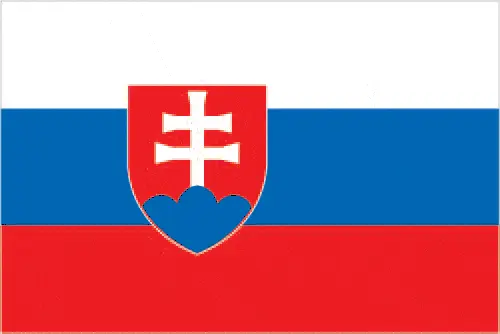 Slovakia — Key Facts Slovakia — Key Facts |
|
|---|---|
| Capital | Bratislava |
| Largest City | Bratislava |
| Driving Side | RIGHT |
| Vehicle Position | Left-Hand Drive (LHD) |
| Speed Motorway | 130 km/h |
| Speed National | 90 km/h |
| Speed Urban | 60 km/h |
| Speed School Zone | 30 km/h |
| BAC Limit | 0.00% — ZERO TOLERANCE (any alcohol = offence) |
| Emergency Police | 158 |
| Emergency Ambulance | 155 |
| Tolls | YES — e-vignette (eznamka.sk); €10/10 days |
| Currency | Euro (€) — eurozone since 2009 |
| Winter Tyres | Mandatory 15 Nov–31 Mar (studs permitted) |
| Schengen | YES — open borders |
| Vienna Distance | Only 60 km from Bratislava |
Slovakia is a Central European gem positioned uniquely at the crossroads of the continent, with its capital Bratislava just 60 kilometers from Vienna, Austria, and 80 kilometers from Budapest, Hungary. This tri-capital proximity makes Slovakia an exceptional driving destination for anyone exploring Central Europe. The country spans approximately 49,000 square kilometers and features diverse landscapes ranging from the High Tatras mountains in the north (with peaks exceeding 2,600 meters) to the fertile plains of the south. The road network is modern and well-maintained, particularly the D1 motorway that forms the backbone of Slovakia’s transportation infrastructure, running 335 kilometers from Bratislava in the west to Košice in the east.
However, before you begin planning your Slovak road trip, one critical fact must be understood: Slovakia enforces one of Europe’s strictest blood alcohol concentration (BAC) limits at 0.00 percent. This means absolutely zero tolerance for any detectable alcohol in your system while driving. Unlike many neighboring countries that permit a small trace amount, Slovakia treats any detectable alcohol as a serious offense, resulting in immediate license suspension and substantial fines. This regulation is as important as understanding speed limits and road rules, and it applies equally to visitors and residents alike.
For motorway driving, an electronic vignette (e-vignette) is mandatory and must be purchased before you enter the motorway system. These can be easily obtained online at eznamka.sk or at petrol stations and border shops, with prices starting at €10 for a 10-day pass. The vignette system is enforced by automatic number plate recognition cameras, and driving without one results in fines between €150 and €800. Winter driving in Slovakia requires mandatory winter tires from November 15 to March 31 when snow, ice, or frost is present on roads. Interestingly, Slovakia permits studded tires, unlike some neighboring Alpine countries. The combination of modern infrastructure, spectacular mountain scenery, the historic charm of Bratislava, and the proximity to other major Central European capitals makes Slovakia an excellent driving destination for exploring the heart of Europe.
This Slovakia Google Map provides an interactive overview of Slovakia’s motorway network, border crossings, and scenic destinations.
Use the interactive map above to explore Slovakia’s road network, the D1 motorway, and the High Tatras.
Road Network and Infrastructure
Slovakia possesses a modern and expanding road network managed by the National Highway Company (Národná diaľničná spoločnosť, or NDS). The country’s total road network spans approximately 17,600 kilometers, comprising motorways, expressways, national roads, and regional routes. The D1 motorway represents the backbone of Slovakia’s highway system, stretching 335 kilometers from Bratislava in the west to Košice in the east. This important corridor passes through stunning mountain scenery, including the Low Tatras and the Váh valley gorge, making it not just a vital transportation link but also a scenic drive through Slovakia’s natural heritage.
The D2 motorway connects Bratislava with the Czech Republic via the Brodské border crossing (E65 route) and extends northward, serving as the primary route for Prague-bound traffic. The D3 expressway heads toward Poland, while the D4 provides a ring road around Bratislava, facilitating traffic flow around the capital. The R1 expressway connects Banská Bystrica in central Slovakia with the D1 and D2 networks, while the R3 serves central Slovak regions. Several European routes (E65, E50, E58) pass through Slovakia, facilitating international transit and connecting the country to neighboring nations.
Road quality throughout Slovakia’s motorway and expressway network is generally excellent, with well-maintained asphalt surfaces, clear lane markings, and modern traffic management systems. The road infrastructure has been significantly upgraded in recent years, particularly the sections of the D1 passing through the mountains. However, weather conditions, particularly snow and ice during winter months, can affect driving conditions in elevated areas. The network is supported by numerous petrol stations, service areas, and rest stops, particularly along the main motorways, ensuring that drivers have access to fuel, food, and facilities throughout their journey.
Speed Limits
Slovakia has established clear and standardized speed limits across its road network, designed to balance safety with efficient traffic flow. These limits apply to all vehicles, including rental cars and visitor-driven vehicles, and are strictly enforced through both stationary and mobile radar cameras.
| Road Type | Speed Limit (km/h) |
|---|---|
| Motorways (D-routes) | 130 |
| National Roads (R-routes) | 90 |
| Urban/Built-up Areas | 60 |
| School Zones | 30 |
Motorways in Slovakia maintain a maximum speed limit of 130 kilometers per hour. This applies to all standard passenger vehicles. National roads (R-routes and some expressways) carry a 90 km/h speed limit, while urban areas and built-up zones are limited to 60 km/h. School zones, which are particularly important to observe when driving in residential areas or near educational institutions, have a 30 km/h limit and are clearly marked with yellow signs.
Slovakia employs both fixed GATSO speed cameras and mobile radar speed detection units operated by the Slovak Police Force (Polícia SR). These cameras are positioned throughout the road network, particularly near urban areas, school zones, and hazardous road sections. Fines for speeding are determined by the degree of the violation and are structured as follows: exceeding the limit by up to 20 km/h results in a fine of approximately €50–100; exceeding by 20–40 km/h results in €100–200; exceeding by more than 40 km/h can result in fines exceeding €300 plus potential license points or suspension. On-the-spot fines can be paid to police officers in cash (EUR), and non-residents are advised to settle any fines immediately to avoid complications.
E-Vignette and Toll Roads
Slovakia operates a mandatory electronic vignette (e-vignette) system for all motorways and expressways, administered through the official website eznamka.sk. This system has replaced older windscreen sticker vignettes and operates on a purely digital basis—no physical sticker is required on your windscreen. The vignette system is designed to ensure that all vehicles using Slovakia’s premium road infrastructure contribute to their maintenance and development.
The e-vignette pricing structure offers flexibility for visitors with different travel durations. A 10-day vignette costs €10 and is ideal for short-term visitors exploring Slovakia for a week or two. A 30-day vignette costs €14, suitable for those planning a month-long journey. For longer stays or frequent travelers, an annual vignette is available for €50. These prices apply to vehicles with a maximum permitted gross weight of 3.5 tonnes, which covers standard passenger cars, small SUVs, and most rental vehicles. Commercial vehicles and trucks have a separate vignette system with different pricing, managed through electronic tags.
Purchasing your e-vignette is straightforward and can be completed online at least 24 hours before entering Slovak motorways. The process requires your vehicle’s registration plate number, country of registration, and the desired validity period. Payment is accepted via credit card or bank transfer, and your vignette becomes active digitally—no physical document or sticker needs to be displayed. Alternatively, e-vignettes can be purchased at petrol stations, motorway service areas, and border shops. Many visitors purchase their vignette at the first petrol station or service area upon entering Slovakia if they haven’t done so online.
Enforcement of the vignette system is conducted through sophisticated automatic number plate recognition (ANPR) cameras positioned at motorway entry and exit points, as well as throughout the network. If you are caught driving on a motorway without a valid vignette, the penalties are severe: fines range from €150 for minor violations to €800 for serious breaches. This is a significant expense and is taken very seriously by Slovak authorities. Therefore, it is absolutely critical to purchase your vignette before driving on any motorway or expressway. The system is transparent, user-friendly, and designed to ensure compliance, so there is no legitimate reason to drive without a valid vignette.
Road Rules and Traffic Regulations
Slovakia’s road rules are comprehensive and reflect European Union road safety standards. As in most Central and Eastern European countries, traffic drives on the right side of the road, and all vehicles are left-hand drive. Seatbelts are mandatory for all occupants of the vehicle—both front and rear passengers must wear them at all times. Failure to wear a seatbelt results in fines of approximately €50–100.
Headlights must be turned on at all times while driving in Slovakia, even during daylight hours. This applies year-round and is a legal requirement, not merely a safety recommendation. Vehicles found operating without headlights during daylight incur fines of around €25–50. This rule reflects Slovakia’s commitment to improving road visibility and reducing accidents.
Mobile phone use while driving is prohibited without a hands-free kit, and the phone must not be held or manipulated while the vehicle is in motion. Using a mobile phone while driving results in fines of approximately €100–200. Children under 150 centimeters in height or under 12 years of age must be secured in appropriate child safety seats, and this requirement is strictly enforced with fines of €100–300 for violations.
All vehicles must carry certain mandatory safety equipment at all times: a warning triangle, a reflective safety vest (high-visibility vest), and a basic first aid kit. These items are checked during traffic stops and must be present and accessible in the vehicle. Failure to have these items can result in fines of €50–100 for each missing item.
Winter tire regulations are in effect from November 15 to March 31, and tires with a minimum tread depth of 1.6 millimeters are mandatory during this period when snow, ice, or frost is present on roads. Slovakia uniquely permits the use of studded winter tires, which provide superior grip in icy conditions. This is notable because some neighboring countries like Austria, Germany, and Slovenia restrict or prohibit studded tires.
Slovakia’s Zero BAC Limit Explained
Slovakia maintains one of Europe’s strictest and most uncompromising blood alcohol concentration limits: 0.00 percent. This is not a suggestion or a best-practice guideline—it is absolute law with serious consequences for violations. The 0.00% limit means that there is zero tolerance for any detectable alcohol in your blood or breath while operating a motor vehicle. This is fundamentally different from many other European countries, which permit drivers to operate vehicles with BAC levels up to 0.05% or 0.08%.
The practical implication is this: if you plan to drive in Slovakia, you cannot consume any alcohol whatsoever before or during your drive. Not a single beer, not a glass of wine, not even a small drink hours before you drive. Even if you feel completely sober, even if you consumed alcohol the previous evening and feel fine the next morning, any detectable trace of alcohol in your system while driving is an offense. Slovakia’s stance is that the safest BAC is zero BAC, and they enforce this philosophy rigorously.
The enforcement mechanism is sophisticated and unforgiving. Slovak police conduct regular traffic stops and can demand a breathalyzer test from any driver. If your breath sample registers any detectable alcohol level, you will immediately be subject to a blood test to confirm the reading. The consequences for a first offense are severe: your driving license will be suspended on the spot, and you face fines ranging from €150 to €1,300 depending on the alcohol level detected and the circumstances of the offense. A repeat offense or significantly elevated alcohol levels can lead to criminal prosecution, jail time, and permanent license revocation.
For foreign visitors, these consequences are particularly troublesome. A license suspension in Slovakia will likely prevent you from driving in neighboring countries if your license records show a recent suspension. The financial penalties are substantial—comparing a €150 fine for a first minor violation to the cost of an e-vignette (€10–50), the financial consequences of violating Slovakia’s zero BAC law are enormous. Furthermore, a criminal conviction for drunk driving can affect travel to other countries and may complicate visa applications or border crossings.
The cultural context is important to understand: Slovakia shares this zero-tolerance approach with the Czech Republic and Hungary, reflecting a regional consensus that drunk driving poses an unacceptable risk to public safety. The designated driver culture is well-established and widely understood in Slovakia. If you plan to visit pubs, restaurants, or wine bars during your trip, ensure that you have arranged transportation with a designated non-drinking driver, or use taxis and public transportation exclusively. Do not attempt to circumvent this rule or test Slovak law enforcement—the consequences are not worth the risk.
Winter Driving and High Tatras
Winter driving in Slovakia presents both challenges and opportunities. From November 15 to March 31, winter tires with a minimum tread depth of 1.6 millimeters are mandatory whenever road conditions involve snow, ice, or frost. Unlike some neighboring countries that mandate winter tires only under specific weather conditions, Slovakia’s regulation is clear: if there is snow, ice, or frost on the road, winter tires are required. This applies regardless of the current weather forecast—if conditions exist, the tires must be appropriate for those conditions.
Slovakia uniquely permits the use of studded winter tires, which offer superior grip on ice and packed snow compared to non-studded winter tires. Studded tires have small metal studs embedded in the rubber compound that grip icy road surfaces effectively. This permission reflects Slovakia’s geography—the country has significant mountain regions with cold winters where studded tires prove valuable. In contrast, Austria, Germany, and Slovenia restrict or prohibit studded tires due to road damage concerns, making Slovakia an exception in the Alpine region.
The High Tatras mountain range dominates northern Slovakia and offers stunning scenery for winter driving adventures. The highest peaks exceed 2,600 meters elevation, with Lomnický Štít reaching 2,634 meters as one of Central Europe’s most prominent peaks. The region is home to several popular ski resorts, including Štrbské Pleso (elevation 1,346 meters), which is Slovakia’s most famous winter sports destination, Tatranská Lomnica, and the Poprad–Tatry airport serving the region. Winter roads through the High Tatras and surrounding Low Tatras can be spectacular but challenging.
The D1 motorway passes through sections near the Low Tatras and Váh valley gorge, offering breathtaking scenery even for non-mountaineers. However, this elevation brings weather hazards: heavy snow can fall from November through March, potentially closing mountain passes or reducing visibility to near-zero. Mountain weather is notoriously unpredictable—conditions can deteriorate rapidly, and drivers can encounter sudden snowfall, black ice, or avalanche risk in some areas.
Before driving in mountain regions during winter, check the latest road condition reports at podmienky.sk, which provides real-time information on Slovak road conditions, closures, and weather hazards. This website is invaluable for planning your route and understanding whether mountain passes are open or closed. Carry extra emergency supplies in your vehicle: blankets, food, water, a flashlight, jumper cables, and a shovel. Inform someone of your planned route and expected arrival time. Reduce speed significantly in mountain areas, increase following distance to at least three car lengths, and do not attempt to drive through closed mountain passes or areas marked as dangerous.
Border Crossings and Neighbouring Countries
Slovakia is a member of the Schengen Area, which means it has eliminated border controls with its neighboring countries. You can cross from Slovakia into the Czech Republic, Austria, Hungary, or Poland without stopping for passport checks (though you must carry valid identification documents at all times). This makes travel throughout Central Europe remarkably convenient by car.
Slovakia shares borders with four countries, each offering distinct attractions and opportunities for road trips. The Czech Republic to the north and west is reached most conveniently via the D2 motorway (E65 route), which connects Bratislava to Prague through the Brodské border crossing. Prague is approximately 330 kilometers north of Bratislava and makes an excellent side trip for history enthusiasts interested in medieval architecture and Central European heritage.
Austria to the west represents Slovakia’s most frequently crossed border, particularly from the capital. The D2 motorway connects with Austria’s A6 motorway at the Berg-Kittsee border crossing near Vienna. What makes this border crossing exceptional is its proximity to Bratislava: the Austrian border is only approximately 12 kilometers from central Bratislava, and the Vienna city center is approximately 60 kilometers away. This makes Vienna Europe’s most accessible capital for a quick international drive—you can have breakfast in Bratislava, lunch in Vienna, and still be back for dinner. Vienna offers world-class museums, the famous Schönbrunn Palace, St. Stephen’s Cathedral, and excellent restaurants. The Austrian motorway system connects directly with Slovakia’s D2, making the drive straightforward and well-marked.
Hungary lies to the south and is reached via the D1 motorway (M1 route) through the Rajka crossing, approximately 80 kilometers from Bratislava, or via the D2 (M15 route) through the Rusovce/Rajka crossing. Budapest, Hungary’s capital, is approximately 80 kilometers from Bratislava and represents another nearby major European city worth visiting. The drive to Budapest passes through the Hungarian plains and offers a different landscape from Slovakia’s mountainous regions.
Poland borders Slovakia to the north and is accessible via the D3 motorway and national roads at crossing points including Trstená/Chyžné and Lysá Hora. Polish cities like Warsaw and Kraków are further from Bratislava but represent longer road trip opportunities for those with more time. The drive to Warsaw is approximately 570 kilometers from Bratislava via the D3 motorway and Polish national roads.
All vehicles traveling across borders require valid vehicle registration documents, proof of insurance, and driver identification. Your vehicle’s registration must be carried at all times. If your vehicle is registered to someone else, you should carry written permission from the owner authorizing you to drive it. International driving permits (IDP) are recommended for drivers with non-EU licenses, though EU license holders are generally accepted throughout the Schengen Area. Traffic regulations, speed limits, and equipment requirements vary slightly between countries, so familiarize yourself with the specific rules for each country you plan to visit.
Driving in and Around Bratislava
Bratislava, Slovakia’s capital and largest city, is home to approximately 475,000 residents and serves as the country’s economic, cultural, and political heart. Driving in Bratislava presents unique challenges compared to driving on open highways, but navigating the city is manageable with proper planning and attention to local conventions.
The city is divided by the Danube River, with the historic old town and most landmarks situated on the northern bank and the modern Petržalka district on the southern bank. The Nový Most (New Bridge), topped by the distinctive UFO restaurant structure, is Bratislava’s most recognizable landmark and provides a dramatic gateway into the old town. Bratislava Castle sits on a hill overlooking the old town and the Danube, offering commanding views of the city and Austria beyond.
A ring road system is being developed around Bratislava to facilitate traffic flow around the city and reduce congestion in the historic center. The R7 ring road is currently under construction and will eventually provide an alternative route for transit traffic bypassing the city center. The D2 motorway provides a bypass to the north of the city, diverting traffic to and from the Czech Republic and Austria around the city rather than through it. This infrastructure development is important to note, as routes and traffic patterns are evolving.
Within the city, parking is organized in zones designated as A, B, and C, with different regulations and rates in each zone. The old town center (primarily Zone A) has the most restricted parking and highest rates. For visitors, it is often more practical to park at a shopping center or designated parking facility rather than attempt on-street parking in the old town. Major options include Eurovea (modern shopping center near the Danube with extensive parking), Aupark (large shopping and entertainment center), and Mlynské Nivy (parking facility near the city center). Parking rates are typically €1–3 per hour in the old town zones but are significantly cheaper in peripheral areas or shopping centers.
Traffic in Bratislava can be congested during morning and evening rush hours (typically 7–9 AM and 4–7 PM). The city experiences significant daily commuter traffic from surrounding areas and cross-border commuting from Vienna, Austria, which is only 60 kilometers away. Many Austrians commute to Bratislava for work due to the lower cost of living, while some Slovaks commute to Vienna for employment. This bilateral traffic flow creates congestion on the D2 corridor linking the two cities, particularly in the late afternoon.
The M. R. Štefánik International Airport (Bratislava Airport, code BTS) is located approximately 9 kilometers northeast of the city center. This is Slovakia’s largest airport and primary entry point for international visitors. From the airport, the drive to central Bratislava takes approximately 15–20 minutes under normal traffic conditions, with signs clearly directing to the city center and parking facilities.
Public transportation in Bratislava is efficient and inexpensive, with trams, buses, and trolleybuses covering the city extensively. If you are staying in the old town or city center, using public transportation or taxis may be more convenient than dealing with parking. However, having a car provides flexibility for day trips to surrounding attractions such as Čunovo Water Barrier (water sports), Devin Castle (historical ruins overlooking the Danube), or the wine regions south of Bratislava.
Scenic Drives and Highlights
Slovakia offers numerous spectacular scenic drives that showcase the country’s natural beauty, historical sites, and cultural heritage. The following routes highlight the best opportunities for memorable driving experiences.
D1 Bratislava to High Tatras (360 km): This is Slovakia’s quintessential long-distance drive, traversing the entire country from west to east and showcasing the transition from urban landscapes to alpine peaks. Departing Bratislava, the D1 passes through the Váh valley gorge with impressive rock formations, enters the Low Tatras region with dramatic mountain scenery, and approaches the High Tatras near Poprad. This drive typically takes 4–5 hours but deserves more time to appreciate the scenery. Stop at Banská Bystrica (center of Slovakia) to visit WWII partisan uprising memorials and historical sites.
Banská Štiavnica: Located about 160 kilometers northeast of Bratislava (approximately 2.5 hours’ drive), this UNESCO World Heritage site is one of Slovakia’s most beautiful towns. The historic mining town features stunning baroque architecture, narrow cobblestone streets, and picturesque squares. Historic mining tunnels and museums chronicle centuries of silver mining that made the town wealthy. The landscape surrounding the town is dotted with historic mining reservoirs and ponds used to power the mines—a unique feature of Central European mining heritage.
Bojnice Castle: Approximately 90 kilometers northeast of Bratislava near the town of Prievidza, Bojnice Castle is Slovakia’s most visited castle and one of Central Europe’s most spectacular. The castle features romantic neo-Gothic architecture, dramatic towers, and extensive grounds. The drive to Bojnice is straightforward, and the castle’s fairytale appearance makes it a must-see destination for castle enthusiasts. The surrounding Prievidza region also offers traditional Slovak villages and countryside landscapes.
Spiš Castle: One of Central Europe’s most impressive medieval fortifications, Spiš Castle overlooks the town of Spišské Podhradie in eastern Slovakia. The castle is one of the largest fortifications in Central Europe by surface area and commands a dramatic hilltop position offering panoramic views of the surrounding landscape. The drive to Spiš Castle is approximately 4.5 hours from Bratislava via the D1 motorway and local roads. The castle complex includes extensive ruins, towers, and defensive walls that represent centuries of Slovak and Central European history.
Slovak Karst (Slovenský Kras): This UNESCO World Heritage Site in southern Slovakia features dramatic limestone formations, underground caves and passages, and the Aggtelek Karst and Slovak Karst biosphere reserve. The landscape offers stunning geological formations and opportunities for exploring the region’s underground network. The karst region is accessible from the D1 motorway via local roads near the Hungarian border.
Čičmany Village: This traditional Slovak village in central Slovakia is famous for its unique ornamental woodwork (painted geometric patterns on wooden house facades). The village’s distinctive architecture provides a charming contrast to modern urban environments and represents traditional Slovak folk culture. The village is accessible via regional roads and offers a slower-paced alternative to motorway driving.
Bardejov: Located in northeastern Slovakia, Bardejov is a UNESCO-listed Gothic town featuring medieval architecture, a historic central square, and traditional Slovak culture. The town’s well-preserved medieval character makes it an exceptional destination for those interested in Central European history and architecture. The drive to Bardejov is approximately 5 hours from Bratislava.
Andy Warhol Museum: Medzilaborce, a small town in northeastern Slovakia, is home to the Andy Warhol Museum. Warhol’s parents emigrated from Slovakia (specifically from the village of Miková), and this museum celebrates the famous artist’s Slovak heritage. The museum features original Warhol artworks and provides an unexpected cultural highlight in rural Slovakia.
Fuel and Petrol Stations
Fuel availability is not a concern in Slovakia. Major international petrol station brands operate throughout the country, including Shell, OMV, and MOL (Hungarian company with extensive Central European presence). Slovnaft, the Slovak national petroleum company (a subsidiary of the MOL Group), operates the largest network of petrol stations in Slovakia and is ubiquitous throughout the country. Smaller brands like Benzinol also operate independent stations.
Current fuel prices in Slovakia typically range from €1.40 to €1.70 per liter for unleaded gasoline (95 octane), making fuel in Slovakia slightly cheaper than in neighboring Austria but comparable to or slightly more expensive than in Hungary. Diesel prices are roughly comparable to gasoline prices. Fuel prices fluctuate based on global oil prices, and prices at specific stations may vary. Major motorway service areas typically charge slightly higher prices than off-motorway stations, so fueling before entering a motorway section is economical.
LPG (Liquefied Petroleum Gas) is widely available at Slovnaft stations and many independent stations throughout Slovakia, making LPG vehicles practical for long-distance travel. This is useful for visitors with LPG-equipped vehicles or those considering converting to LPG for cost savings.
Twenty-four-hour petrol stations are located at major motorway service areas and at strategic locations throughout the main cities. Typical petrol stations are open from 6 AM to 10 PM, with many open 24 hours in busy urban areas. Payment methods include cash (EUR) and credit cards. Most international credit cards are accepted at major branded stations, but smaller independent stations may accept only cash.
Electric vehicle charging infrastructure is developing in Slovakia. OMV and Shell operate charging stations at some locations, and dedicated charging networks are expanding. However, the charging network is not yet as comprehensive as in Western European countries, so drivers of electric vehicles should plan routes carefully and pre-identify charging stations using apps like PlugShare or the charging network operators’ apps. Charging times for fast chargers typically range from 20–40 minutes for an 80% charge.
Practical Driving Tips for Slovakia
Purchase your e-vignette in advance: Do not wait until you arrive at the Slovakian border to purchase your e-vignette. Buy it online at eznamka.sk at least 24 hours before you expect to enter motorways. This prevents delays at the border and ensures immediate access to the motorway system. If you forget to purchase online, buy it at the first petrol station or service area upon entering the country.
Remember: 0.00% BAC means zero alcohol: This cannot be emphasized enough. Designate a non-drinking driver before consuming any alcohol. Slovakia’s zero-tolerance policy is absolute and unforgiving. Do not test Slovak law enforcement or assume that a small drink will go unnoticed. The consequences are severe and will significantly impact your trip.
Headlights on at all times: Turn on your headlights when you start driving, even during daylight hours. This is a legal requirement in Slovakia and is checked during traffic stops. Most modern vehicles have automatic headlights, so you may not need to think about this, but be aware of the requirement.
Winter tyres essential in winter: From mid-October to mid-April, carry winter tyres even if they are not technically mandatory. Mountain areas and elevated roads can have dangerous winter conditions even when lowland areas are clear. Snow can fall unexpectedly in mountains, and winter tyres provide superior grip in cold, wet conditions.
Long-distance driving: The D1 motorway from Bratislava to Košice spans 335 kilometers and typically takes 4–5 hours. This is a long drive, and Slovakia’s road fatigue rules require breaks. Take breaks every 2 hours, stretch, and remain alert. Fatigue is a significant cause of accidents, and driving tired is illegal in Slovakia.
Use Google Maps for navigation: Google Maps functions well in Slovakia and provides accurate navigation, real-time traffic information, and alternate route suggestions. Download offline maps before entering areas with poor cellular coverage (such as remote mountain regions). Waze is also functional in Slovakia and provides community-sourced traffic and hazard information.
Monitor road conditions: Check podmienky.sk before driving in winter months or through mountain areas. This website provides real-time updates on road closures, weather hazards, and traffic conditions. During winter, mountain passes can close suddenly due to snow or avalanche risk, and having current information prevents wasted travel time or dangerous situations.
Emergency numbers: Memorize or store in your phone the Slovak emergency numbers: Police (158), Ambulance (155), Fire (150), or EU-wide emergency (112). The AMSS (Slovak roadside assistance) can be reached at 18124 and provides towing, repair, and other roadside services. These numbers should be dialed in case of accidents, breakdowns, or other emergencies.
Radio for traffic information: Local Slovak radio stations like Rádio Expres and Fun Radio provide traffic updates and announcements. Tuning to these stations while driving provides information about congestion, accidents, and road hazards. Traffic updates are typically broadcast at the top of each hour and half-hour.
Airport options: Bratislava’s M. R. Štefánik International Airport (BTS) is Slovakia’s primary airport, located 9 kilometers northeast of the city center. However, Vienna International Airport (VIE), just 60 kilometers away, often offers more flight options, better prices, and more convenient schedules. Vienna Airport is a major European hub with extensive international connections. The drive from Bratislava to Vienna Airport takes approximately 1 hour via the D2 motorway and is straightforward. Consider comparing flights to both airports when planning your trip.
Car rental considerations: If renting a vehicle in Slovakia, ensure that your rental agreement explicitly permits driving into neighboring countries (Czech Republic, Austria, Hungary, Poland). Some rental agencies restrict cross-border travel or charge additional fees. Verify that the vehicle includes mandatory equipment (warning triangle, reflective vest, first aid kit). Ask about winter tyres if traveling during the winter months. Take time to understand the rental agency’s damage policy and insurance coverage, especially regarding vignette fines (some agencies bill renters for vignette violations).
Sources and References
This Slovakia driving guide is compiled from official Slovak government sources, traffic safety organizations, and authoritative travel resources. Key information sources include:
- Slovak Police Force (Polícia SR) — official traffic regulations and enforcement information
- Národná diaľničná spoločnosť (NDS) — Slovak national highway company; motorway operations and maintenance
- eznamka.sk — official Slovak e-vignette portal for motorway access
- podmienky.sk — Slovak road conditions monitoring and real-time highway status
- European Commission Directorate General for Mobility and Transport — Schengen Area regulations and border information
- International Association of Chief Police Officers of Europe (IACP) — drink-driving regulations and enforcement
- Austria ÖAMTC and Hungary MAK — neighboring country road information and reciprocal driving rules
- Slovak Tourism Board — attractions and scenic driving destinations
- World Health Organization (WHO) — traffic safety and road fatigue research
This guide is current as of 2026-02-25 and reflects the most up-to-date information available regarding Slovak traffic regulations, infrastructure, and travel conditions. Regulations, pricing, and infrastructure may change; visitors are encouraged to verify critical information (particularly vignette pricing, speed limits, and BAC regulations) through official Slovak government sources before travel.